Which to Choose: Urethane Cement Vs. Epoxy Flooring
Most industrial floors don’t handle heavy traffic without cracking or slipping. You’ve likely faced costly repairs or safety hazards from the wrong flooring choice. This guide breaks down urethane cement versus epoxy flooring so you can pick the best flooring option for your facility’s needs and keep your crew safe.
Understanding Urethane Cement
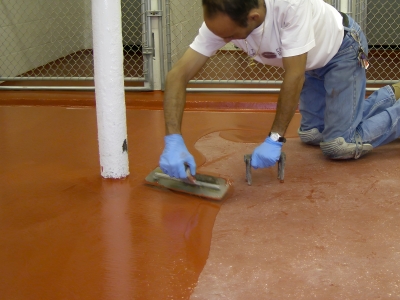
Choosing the right flooring for your facility can prevent disruptions and save money. Let's start by examining urethane cement, a popular choice in industrial settings.
Characteristics of Urethane Cement
Urethane cement is known for its strength. It's a blend of urethane and cement, making it tough enough to handle heavy machinery without damage. It resists chemicals, which is crucial if your facility uses or stores harsh substances. This flooring can withstand temperatures ranging from below freezing to above 200°F, ensuring it holds up in extreme conditions.
The secret to its durability lies in its composition. By combining urethane's flexibility with the hardness of cement, it creates a floor that resists cracking under pressure. Maintenance is straightforward, which minimizes downtime. You won't need special cleaners or tools, just regular sweeping and mopping to keep it in top shape.
Applications in Industrial Settings
Urethane cement thrives in settings where spills and heavy traffic are daily occurrences. Think of food processing plants, breweries, and chemical storage facilities. In these environments, the floor must withstand not only foot traffic but also forklifts and other equipment.
In a chemical plant, for example, where spills are frequent, urethane cement's resistance to corrosive substances is invaluable. Similarly, in food processing, its ability to withstand hot water washdowns without degrading ensures a sanitary environment. These properties make urethane cement a go-to choice for industries that demand both durability and hygiene.
Garon's line of Urethane Cement:
- Mortarthane HF™ Urethane Cement Patch/Resurfacer
- Mortarthane SL™ Self Leveling Urethane Cement Resurfacer
Exploring Epoxy Flooring
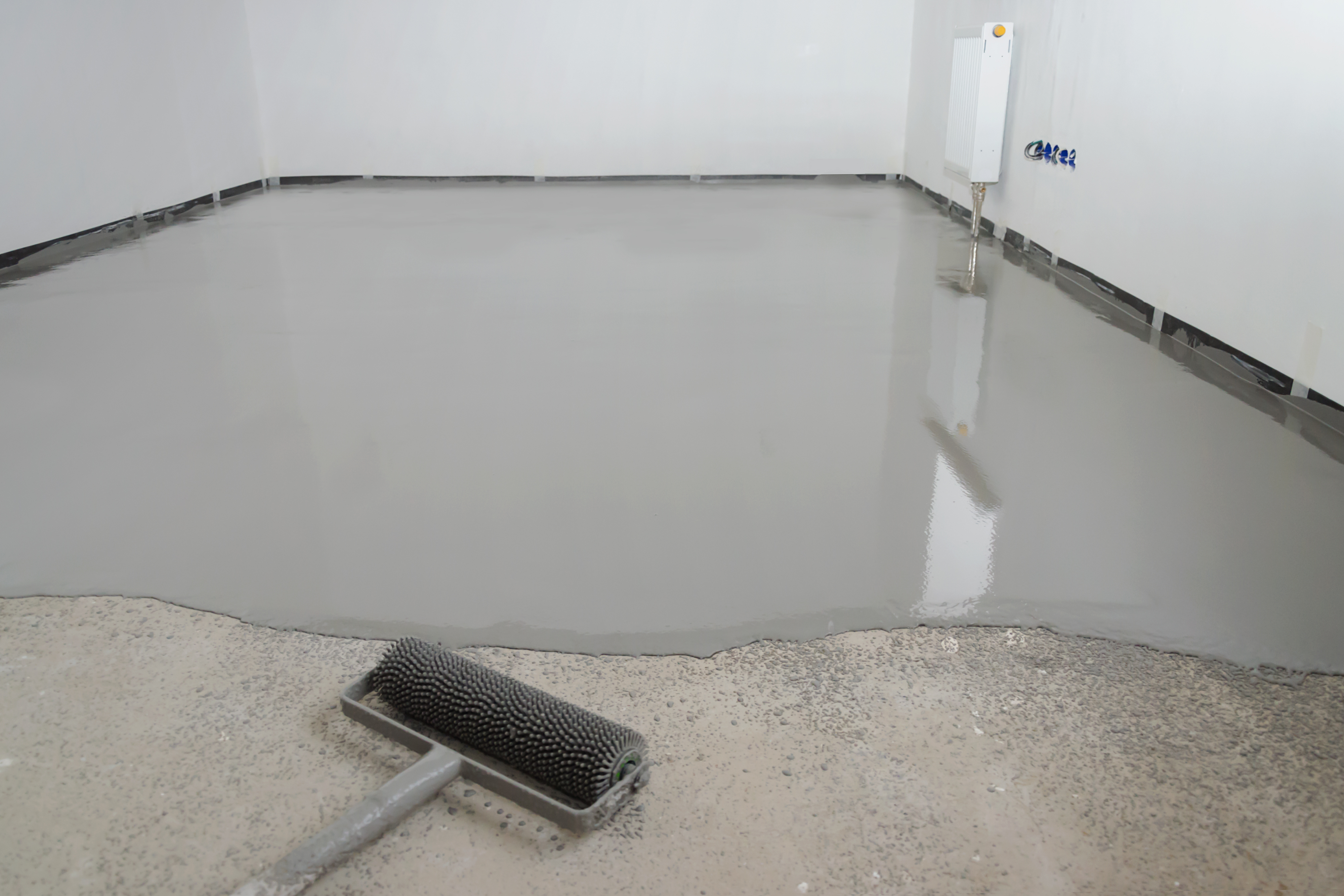
Now that we've covered urethane cement, let's shift our focus to epoxy flooring. This option is another strong contender in the industrial flooring arena.
Benefits of Epoxy Flooring
Epoxy flooring is prized for its glossy finish that enhances the look of any space. But its appeal goes beyond aesthetics. This flooring is known for being tough and resistant to impacts, making it ideal for areas with heavy foot or vehicle traffic.
The application process involves coating the floor with a special epoxy resin. Once cured, it creates a seamless surface that resists spills and scratches. The sleek surface also makes cleaning a breeze, saving time and effort in maintenance. Moreover, epoxy can be customized with various colors and patterns, allowing you to tailor it to your facility's needs. Garon Products Inc. offers an extensive line of epoxy floor coatings for your facility needs.
Most Popular Epoxy Floor Coatings:
- GARONGUARD™ High Build Epoxy Floor Coating
- POUR-N-WALK™ Self-Leveling Epoxy Floor Resurfacer
- FAST-CURE™ Fast-Set High Build Epoxy Floor Coating
Common Uses in Industry
Epoxy flooring is often found in warehouses, factories, and showrooms. Its ability to support heavy loads without cracking makes it perfect for these environments. In a bustling warehouse, for example, where forklifts are constantly on the move, the floor must be resilient to avoid costly repairs.
In car showrooms, epoxy floors shine—literally. The reflective surface not only enhances the look of the cars on display but also withstands the wear and tear from frequent customer visits. Its versatility across different industries highlights why many choose epoxy as their flooring solution.
Urethane vs Epoxy: Making the Right Choice
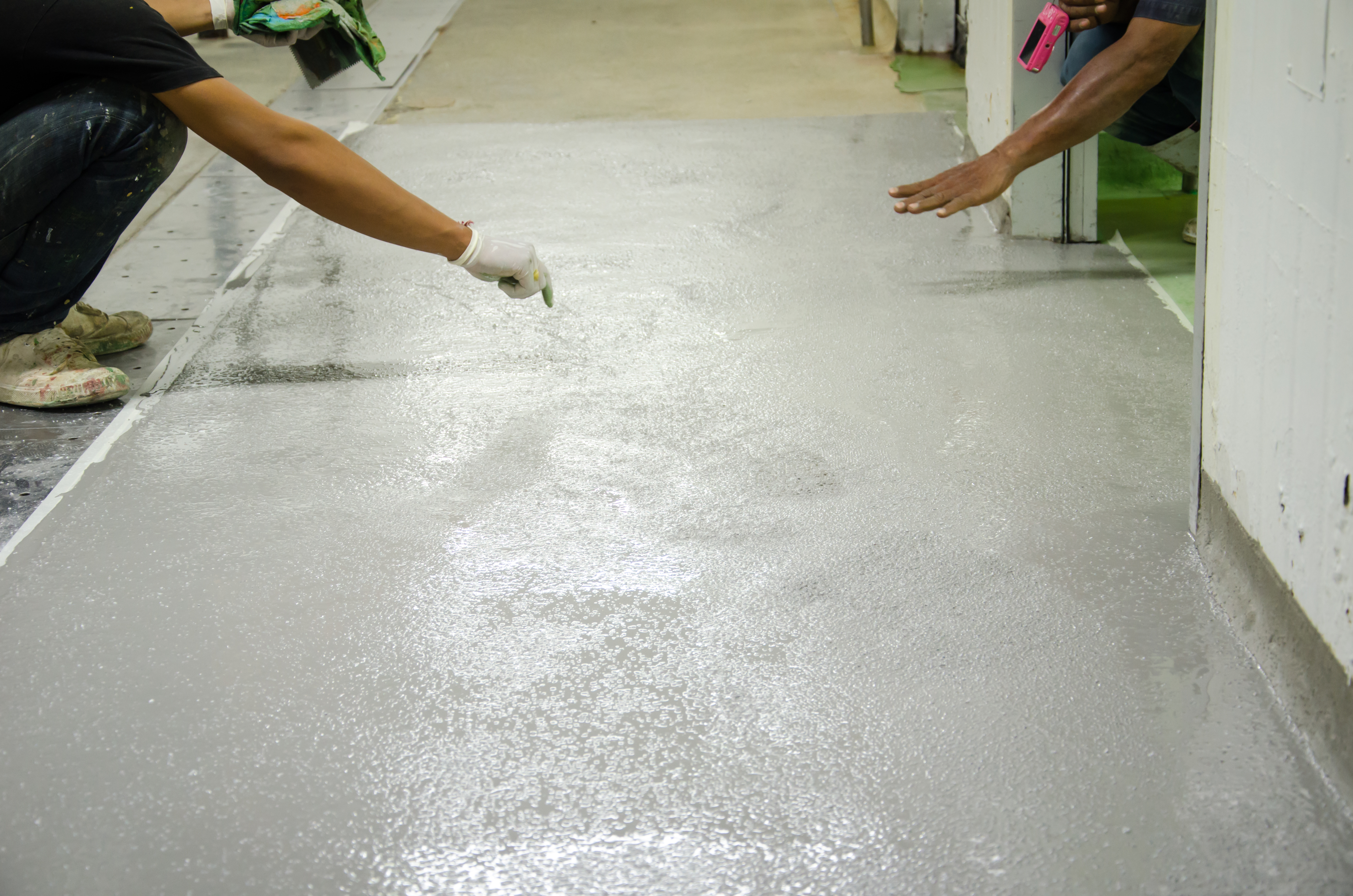
Having explored both options, it's time to weigh their strengths against each other to find the best flooring option for your facility.
Durability Comparison
When it comes to durability, both urethane cement and epoxy flooring have merits. Urethane cement excels in environments with extreme temperatures and chemical exposure. It remains intact where other floors might fail. In contrast, epoxy flooring offers excellent resistance to heavy traffic and impacts, making it suitable for busy areas.
Consider your facility's specific needs. If chemical spills and temperature fluctuations are daily concerns, urethane cement might be your best bet. Conversely, if you need a floor that can handle constant traffic and still look pristine, epoxy could be the way to go.
Best Materials for Flooring
Choosing between these materials ultimately depends on your facility's unique demands. For high-impact areas or where aesthetics play a key role, epoxy flooring is hard to beat. Its customizable nature and ease of cleaning make it a favorite in many industries.
On the other hand, for environments where chemical resistance and temperature tolerance are critical, urethane cement stands out. Its ability to withstand harsh conditions such as hot temperature wash-downs ensures longevity and safety.
In conclusion, whether you opt for urethane cement or epoxy flooring, each brings specific benefits tailored to different industrial needs. By understanding their strengths, you can make an informed decision that enhances safety and efficiency in your facility.
Not sure which repair products are right for you?
Contact our team today.