Step-by-Step Guide to Concrete Discoloration Prevention & Repair
Concrete discoloration is a common issue that can affect the appearance and performance of your surfaces. It can be caused by various factors, including water exposure, improper curing, and chemical reactions. This concrete discoloration repair guide explains how to diagnose and address the problem, outlining practical concrete repair solutions and options for concrete color restoration.
In many cases, surface cleaning and staining are not enough to fully resolve discoloration—especially in environments exposed to chemicals or moisture. In these situations, POUR-N-WALK™ CR, a pourable chemical-resistant epoxy resurfacer, can be applied directly over discolored concrete to restore a uniform appearance while protecting the surface from future chemical damage.
Understanding the root cause is crucial for effective repair using proven concrete repair techniques. This guide will walk you through the process of fixing discoloration step by step while showing where long-term solutions like POUR-N-WALK™ CR can enhance durability and appearance.
Whether you're dealing with efflorescence, oil stains, rust, or uneven color patches, we've got you covered—including guidance for stained concrete repair and protective epoxy resurfacer solutions.
By following these steps, you can restore your concrete’s appearance, improve concrete color restoration, and prevent future issues—reducing the need for repeated concrete discoloration repair.
Understanding Concrete Discoloration
Concrete discoloration can occur for several reasons. It’s essential to understand the underlying causes to select the best repair method. Common issues include uneven color shades, surface stains, and chemical damage.
Different types of discoloration may require specific solutions:
- Efflorescence: White, powdery residue from soluble salts
- Oil Stains: Dark spots from spills or leaks
- Rust Stains: Orange-brown marks caused by metal contact
- Organic Stains: Spots from leaves, dirt, or other natural materials
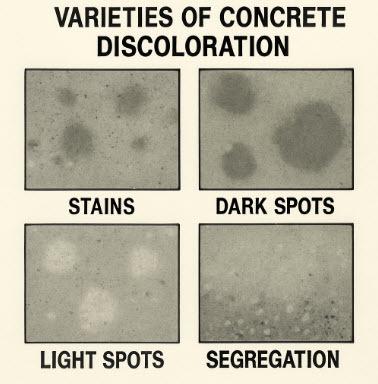
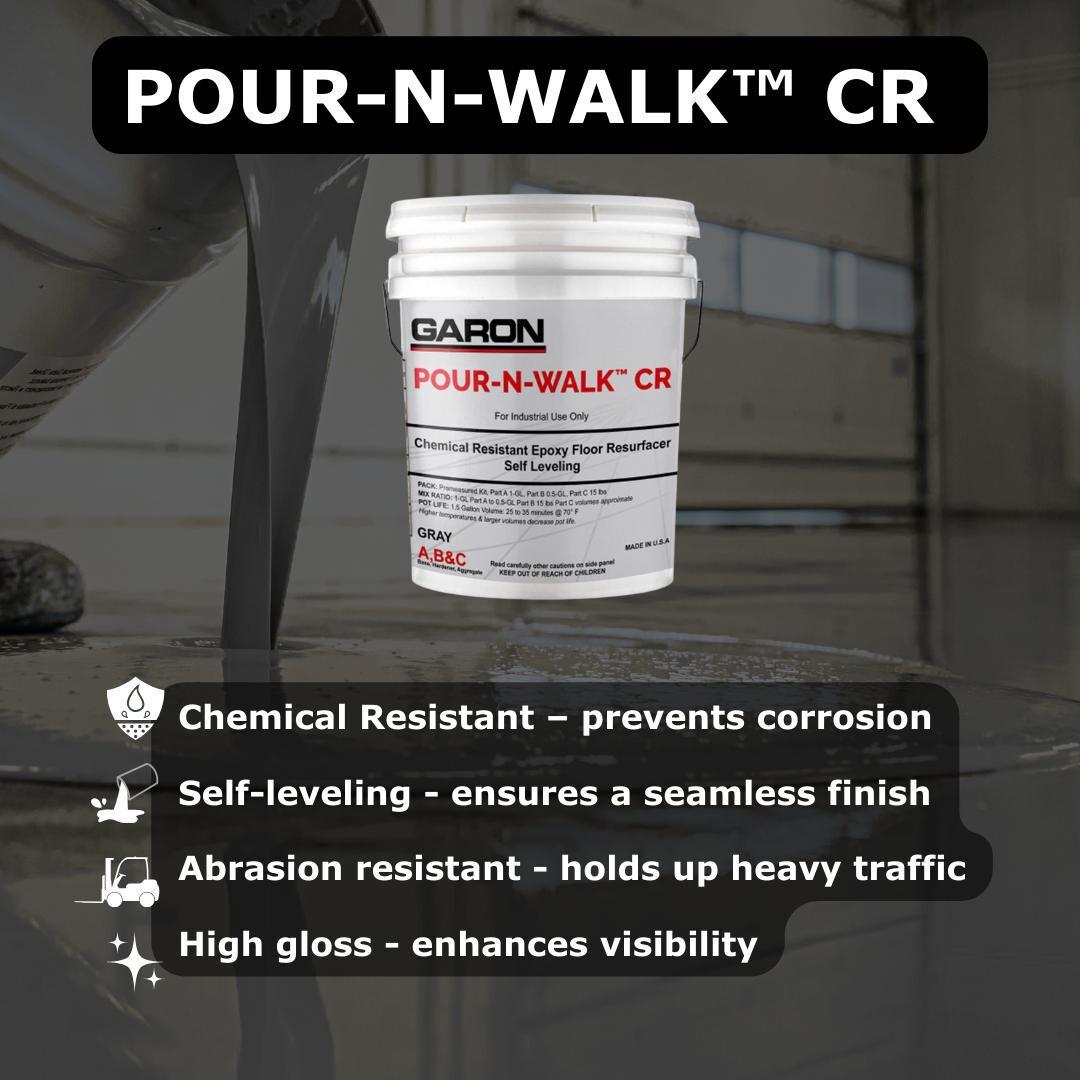
While some discoloration can be removed through cleaning or staining, recurring or chemically driven issues often require a protective surface solution. Applying POUR-N-WALK™ CR, a pourable chemical-resistant epoxy resurfacer, over the affected concrete creates a new, uniform surface that eliminates visible discoloration and shields the slab from further chemical intrusion.
Common Causes of Concrete Discoloration
Concrete discoloration can arise from various factors. Identifying the root cause is crucial for effective repair and planning your concrete discoloration repair approach.
Common causes include:
- Water Exposure: Excess moisture can lead to mineral deposits and color changes
- Improper Curing: Uneven curing can result in blotchy or inconsistent surfaces
- Chemical Reactions: Acids, oils, and harsh cleaners can permanently alter concrete
In environments where chemicals are present—such as commercial kitchens, garages, warehouses, or industrial facilities—surface treatments alone may not be sufficient. POUR-N-WALK™ CR addresses these challenges by forming a seamless, chemical-resistant epoxy layer that both corrects discoloration and prevents future chemical damage to the concrete floor.
Assessing the Type and Extent of Discoloration
Before beginning any repair, assess the type and severity of discoloration to determine the best solution.
Key factors to evaluate include:
- Color Patches: Uniform vs. uneven discoloration
- Surface Texture: Smooth, rough, or deteriorated areas
- Depth of Stains: Surface-level or deeply embedded
If discoloration is deep-set or widespread, installing POUR-N-WALK™ CR over the existing slab can be an efficient solution. Because it is pourable and self-leveling, the epoxy resurfacer creates a consistent finish while encapsulating stains beneath the surface.
Essential Tools and Materials for Concrete Surface Repair
For standard concrete discoloration repair, gather the following tools and materials:
- Pressure washer
- Stiff brush
- Mild detergent
- Diluted acid solution
- Degreaser
- Baking soda
- Lemon juice and vinegar
- Concrete stains and dyes
- Sealers
For long-term protection and full surface restoration, POUR-N-WALK™ CR serves as both a repair and prevention solution, eliminating the need for repeated staining or sealing in chemical-exposed environments.
Step 1: Cleaning the Concrete Surface
Cleaning is the foundation of any concrete surface repair. Remove dirt, grease, and residue using a pressure washer or stiff brush with detergent. This step ensures proper bonding for stains, sealers, or epoxy resurfacer.
A clean surface is especially important when preparing for POUR-N-WALK™ CR, as proper surface preparation allows the pourable chemical-resistant epoxy resurfacer to adhere evenly and perform as intended.
Step 2: Removing Specific Stains
After cleaning, treat remaining stains:
- Efflorescence: Use a diluted acid solution
- Oil Stains: Apply a degreaser or baking soda poultice
- Rust Stains: Use lemon juice, vinegar, or rust remover
- Organic Stains: Apply a bleach solution or concrete cleaner
Once stains are neutralized, applying POUR-N-WALK™ CR over the surface locks in a clean appearance and prevents future staining from oils, chemicals, and moisture.
Step 3: Repairing Persistent Discoloration with Stains, Dyes, Overlays, or Epoxy Resurfacer
When discoloration persists, several options are available:
- Concrete stains: Penetrate for natural color enhancement
- Concrete dyes: Provide bold, vibrant color
- Concrete overlays: Create a new surface layer
- POUR-N-WALK™ CR: A pourable chemical-resistant epoxy resurfacer that forms a seamless, durable surface over existing concrete
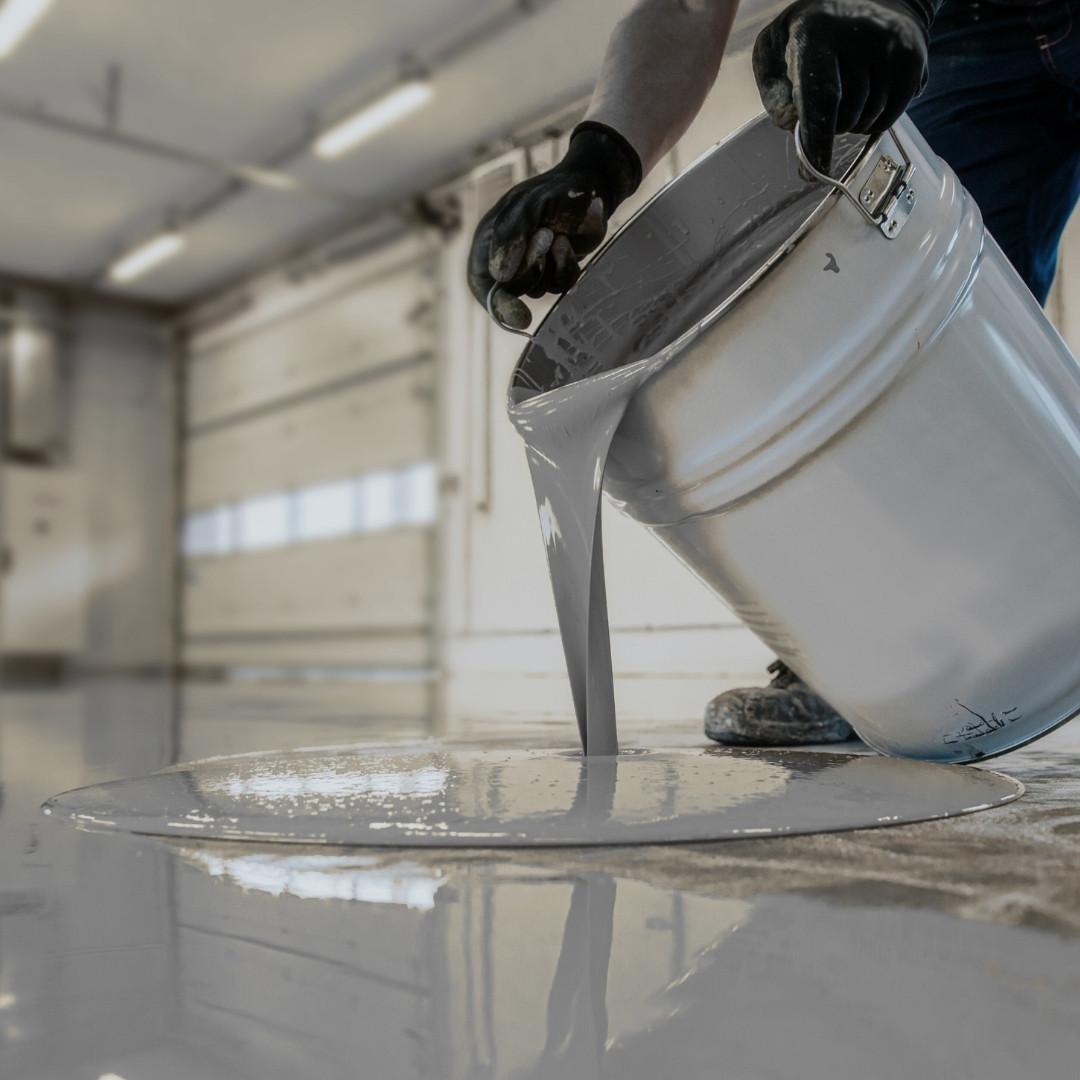
For areas exposed to chemicals, heavy traffic, or moisture, POUR-N-WALK™ CR is an ideal solution. It not only restores uniform color but also delivers long-term protection against chemical attacks that commonly cause discoloration.
Step 4: Sealing and Protecting the Repaired Surface
Traditional repairs require sealing to protect against moisture and stains. However, POUR-N-WALK™ CR functions as both a protective layer and finished surface, eliminating the need for additional sealers.
Its chemical-resistant properties help prevent future discoloration, surface degradation, and costly repairs.
Preventing Future Concrete Discoloration
Preventive maintenance is essential for long-lasting concrete surfaces:
- Clean regularly
- Address spills immediately
- Reseal or protect surfaces as needed
In high-risk environments, applying POUR-N-WALK™ CR proactively can significantly reduce maintenance requirements by protecting the concrete from chemical exposure and wear.
When to Call a Professional
Professional concrete repair may be necessary if:
- Discoloration is widespread
- Chemical damage is severe
- DIY solutions have failed
Professionals can assess whether resurfacer like POUR-N-WALK™ CR are the most effective solution for restoring and protecting your concrete floors.
Conclusion and Maintenance Tips
Concrete discoloration doesn’t have to be permanent. With proper cleaning, targeted repairs, and protective solutions like POUR-N-WALK™ CR, you can restore your concrete’s appearance and extend its lifespan.
Maintenance tips:
- Clean surfaces regularly
- Protect concrete from chemical exposure
- Use durable resurfacer to prevent recurring discoloration
By combining repair techniques with a pourable chemical-resistant epoxy resurfacer, you ensure both visual appeal and long-term performance.