Concrete discoloration is caused by moisture, chemicals, improper curing, surface contamination, or natural aging. The correct repair method depends on the source of the discoloration. Some stains can be removed with cleaning, while widespread chemical staining or surface deterioration may require resurfacing with a protective coating.
This guide explains how to identify the cause of concrete discoloration, choose the appropriate repair method, and prevent future staining in commercial and industrial environments.
What Causes Concrete Discoloration?
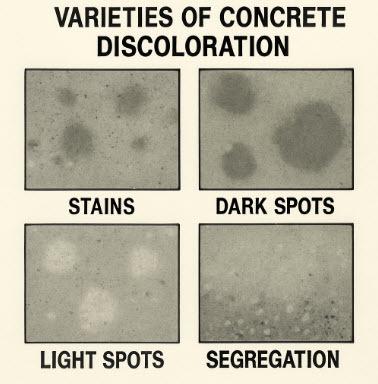
Concrete can change color for many reasons. Some discoloration affects only the surface, while other conditions indicate chemical attack or moisture movement within the slab.
Common causes include:
- Excess moisture and efflorescence
- Oil and grease contamination
- Rust from embedded or adjacent steel
- Chemical spills and acid exposure
- Improper curing during installation
- UV exposure and weathering
- Uneven finishing or inconsistent concrete mixes
Correctly identifying the cause is the first step in selecting an effective repair strategy.
Types of Concrete Discoloration
Different discoloration problems require different repair methods.
Efflorescence
Efflorescence appears as a white, powdery deposit caused by moisture carrying soluble salts to the concrete surface. It often indicates ongoing moisture migration.
Oil and Grease Stains
Petroleum products can penetrate concrete pores, creating dark stains that are difficult to remove completely.
Rust Stains
Rust-colored discoloration develops when steel reinforcement, metal fixtures, or stored materials introduce iron oxidation onto the concrete surface.
Chemical Staining
Acids, solvents, cleaning chemicals, and industrial process materials can permanently alter the color and texture of concrete.
Uneven Color
Blotchy or inconsistent color often results from improper curing, finishing practices, or variations in water content during placement.
How to Repair Concrete Discoloration
The most effective way to repair concrete discoloration is to first identify what caused the color change, then choose a repair method that addresses the underlying problem rather than simply covering the stain. Surface discoloration caused by dirt, efflorescence, or minor contamination can often be corrected with proper cleaning, while discoloration caused by chemical exposure, moisture intrusion, or surface deterioration may require resurfacing or a protective coating.
The following step-by-step process will help you evaluate the condition of your concrete, select the appropriate repair method, and determine when resurfacing with a chemical-resistant system may provide the most durable long-term solution.
Step 1: Inspect the Concrete
Before attempting repairs, determine the severity of the discoloration.
Evaluate:
- Is the stain limited to the surface?
- Is the discoloration localized or widespread?
- Is the concrete structurally sound?
- Has the surface been exposed to chemicals or heavy traffic?
- Is moisture continuously present?
This evaluation helps determine whether cleaning, refinishing, or resurfacing is the most appropriate solution.
Step 2: Clean the Surface Thoroughly
Cleaning removes contaminants that may interfere with repairs or coatings.
Typical surface preparation includes:
- Industrial concrete cleaners
- Degreasers for petroleum contamination
- Pressure washing
- Mechanical scrubbing
- Surface preparation appropriate for the selected repair system
Proper cleaning is essential before applying stains, coatings, resurfacers, or protective systems.
Step 3: Remove or Treat Remaining Stains
After cleaning, evaluate whether discoloration remains.
Typical treatments include:
|
Type of Discoloration |
Typical Repair Method |
|
Efflorescence |
Remove salts and address moisture source |
|
Oil contamination |
Industrial degreasers and repeated cleaning |
|
Rust staining |
Rust removers formulated for concrete |
|
Chemical staining |
Surface grinding, resurfacing, or protective coating |
|
Organic staining |
Concrete cleaners designed for biological staining |
Deep chemical discoloration often cannot be completely removed because contaminants penetrate below the surface.
Step 4: Choose the Appropriate Restoration Method
The best repair method depends on the condition of the concrete.
Concrete Stains
Concrete stains penetrate the surface to enhance color while allowing the concrete texture to remain visible.
Best for:
- Decorative applications
- Minor color variations
- Architecturally exposed concrete
Concrete Dyes
Concrete dyes provide more uniform color but are generally intended for interior applications.
Concrete Overlays
Overlays create a new cementitious wearing surface that hides discoloration while restoring appearance.
Epoxy Resurfacing Systems
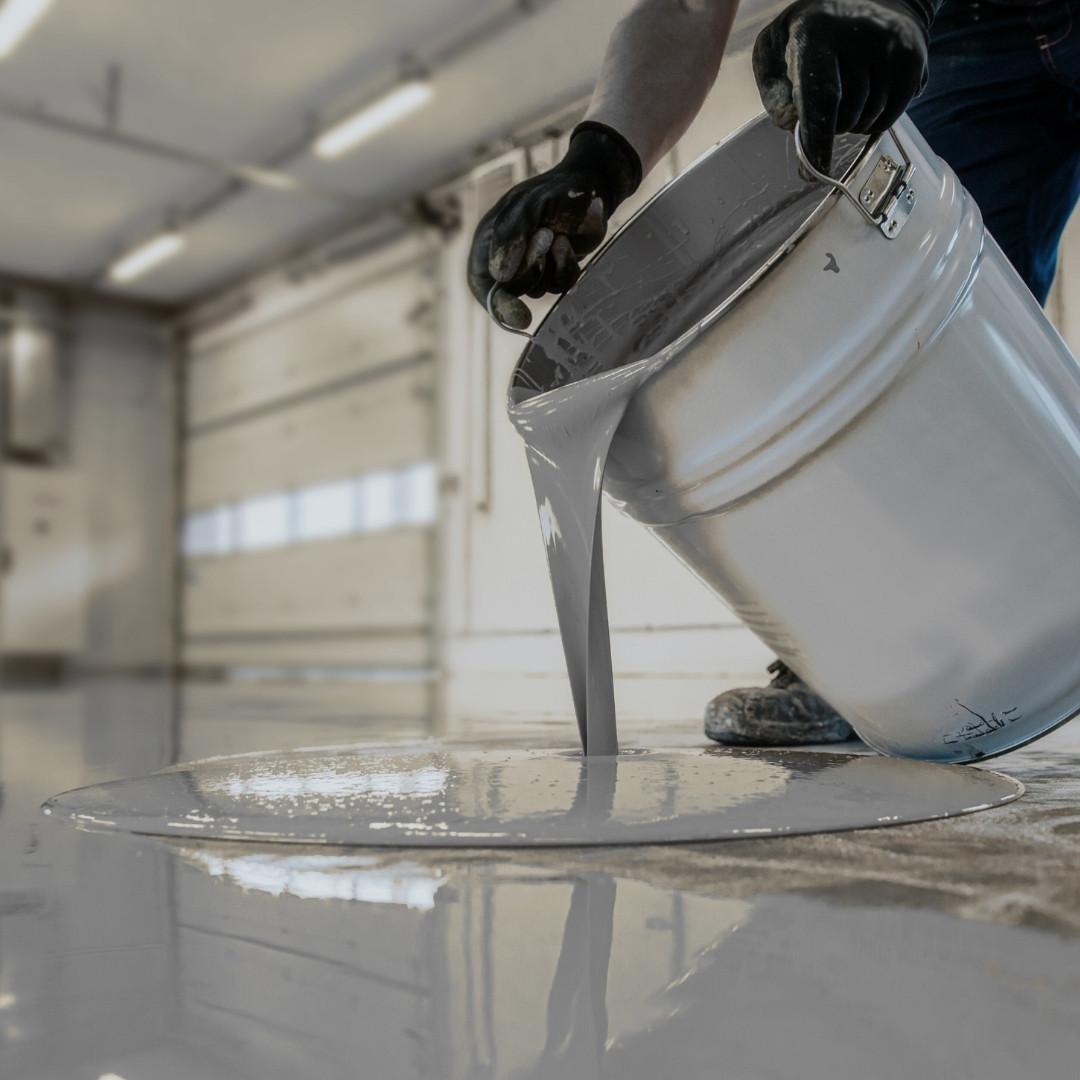
When discoloration results from chemical exposure, heavy wear, or extensive staining, an epoxy resurfacer can provide both aesthetic restoration and long-term protection.
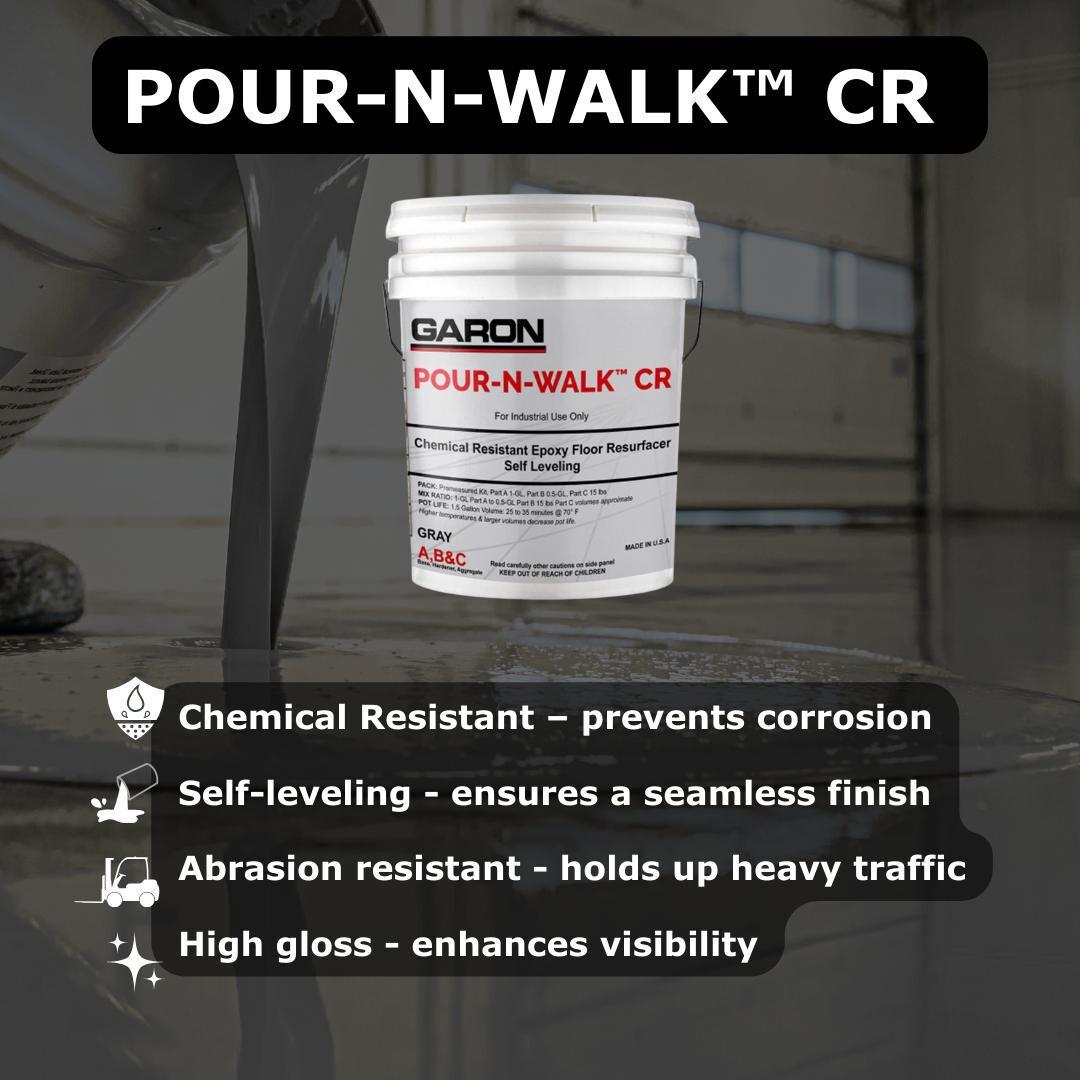
POUR-N-WALK™ CR is a chemical-resistant, self-leveling epoxy resurfacer designed for commercial and industrial concrete floors. Rather than attempting to remove deeply embedded stains, it encapsulates the existing surface beneath a seamless, durable floor while helping protect the concrete from future chemical attack.
Step 5: Protect the Repaired Surface
Once repairs are complete, protecting the surface helps extend service life.
Protection may include:
- Concrete sealers
- Epoxy floor coatings
- Polyurethane topcoats
- Chemical-resistant resurfacing systems
Selecting the appropriate protective system depends on traffic levels, chemical exposure, cleaning procedures, and the operating environment.
How to Prevent Future Concrete Discoloration
Preventive maintenance is often less expensive than repeated repairs.
Recommended practices include:
- Clean spills promptly.
- Remove oils and chemicals before they penetrate the concrete.
- Control moisture infiltration.
- Use appropriate cleaners.
- Maintain protective coatings or resurfacers.
- Inspect floors regularly for early signs of damage.
Facilities exposed to frequent chemical spills, aggressive cleaning, or heavy industrial traffic may benefit from installing a chemical-resistant resurfacing system before discoloration becomes severe.
When Is Resurfacing Better Than Cleaning?
Cleaning removes contaminants from the surface.
Resurfacing is often the better solution when:
- Discoloration covers large areas.
- Chemical exposure has permanently altered the concrete.
- Surface wear accompanies staining.
- Multiple repair attempts have failed.
- Long-term chemical resistance is required.
In these situations, resurfacing provides both visual restoration and protection against future deterioration.
When Should You Contact a Concrete Repair Professional?
Professional evaluation is recommended when:
- Discoloration continues to return.
- Moisture problems remain unresolved.
- Chemical exposure has damaged the concrete.
- The slab shows scaling, spalling, or surface deterioration.
- Industrial production areas require durable, long-term protection.
A concrete repair specialist can determine whether cleaning, localized repairs, or a complete resurfacing system will provide the most cost-effective solution.
Key Takeaways
- Concrete discoloration can result from moisture, chemicals, improper curing, contamination, or aging.
- Identifying the underlying cause is essential before selecting a repair method.
- Surface cleaning may resolve minor staining, while deeper contamination often requires resurfacing.
- Protective coatings and epoxy resurfacers help reduce future discoloration in demanding environments.
- Preventive maintenance extends the appearance and service life of concrete floors.