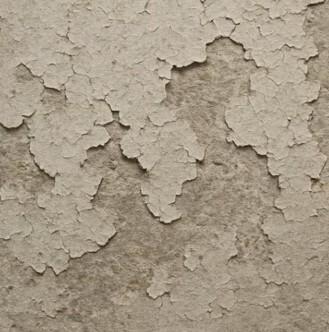
Flaking concrete is repaired by removing all loose and deteriorated material, preparing the remaining sound concrete, filling or resurfacing the damaged area with a compatible repair material, and protecting the repaired surface from the conditions that caused the deterioration. The appropriate repair method depends on the depth of damage, exposure conditions, traffic requirements, and underlying cause.
In warehouses, manufacturing plants, loading areas, commercial facilities, and other high-use environments, flaking or spalling concrete should be addressed before surface deterioration progresses into deeper damage. Identifying why the concrete is failing is an important first step because moisture, freeze-thaw exposure, chemicals, poor curing, and mechanical wear can require different repair and prevention strategies.
What Is Flaking or Spalling Concrete?
Concrete flaking is the loss of thin layers or small pieces from the surface of a concrete slab. Spalling generally refers to more significant surface deterioration in which concrete chips, breaks, or separates from the slab.
Common signs include:
- Peeling or scaling at the concrete surface
- Loose or crumbling concrete
- Shallow pits and depressions
- Rough, uneven areas
- Exposed aggregate
- Progressively larger areas of surface deterioration
Surface damage should be evaluated before repair. If deterioration extends deeply into the slab, involves corrosion of reinforcing steel, or appears to affect structural integrity, a more extensive evaluation may be required.
What Causes Concrete to Flake or Spall?
Concrete can flake or spall when environmental exposure, installation conditions, chemicals, or repeated mechanical stresses weaken the surface. Determining the cause helps facility teams select an appropriate repair system and reduce the likelihood of recurring damage.
Freeze-Thaw Cycles and Moisture
Water that enters porous concrete can freeze and expand when temperatures fall. Repeated freeze-thaw cycles place pressure on the concrete and can gradually cause scaling, flaking, and spalling.
Exterior slabs, loading areas, ramps, entrances, and other concrete exposed to precipitation and freezing temperatures can be particularly susceptible.
Improper Installation or Curing
Concrete that was improperly placed, finished, or cured may develop a weak surface layer. Inadequate curing can also prevent concrete from developing its intended properties, increasing susceptibility to abrasion and premature deterioration.
A weak surface becomes particularly problematic in industrial environments exposed to forklifts, carts, production traffic, or repeated impact.
Chemical and De-Icing Salt Exposure
De-icing salts, cleaning compounds, process chemicals, acids, and other contaminants can contribute to concrete deterioration.
The severity depends on the chemical, concentration, exposure duration, concrete condition, and surrounding environment. Facilities with recurring chemical exposure should consider chemical resistance when selecting both repair materials and protective coatings.
Heavy Traffic and Mechanical Wear
Forklifts, steel wheels, carts, machinery, dropped tools, and repeated impact can progressively damage concrete, particularly when the surface is already weakened.
Small areas of deterioration can become larger as traffic repeatedly strikes exposed edges and loosened material.
How Do You Repair Flaking Concrete?
Repairing flaking concrete requires removing unsound material and creating a clean, stable substrate before applying the selected repair product. Covering loose or deteriorated concrete without adequate preparation can compromise adhesion and shorten the service life of the repair.
Step 1: Determine the Extent and Cause of the Damage
Inspect the area before selecting a repair material.
Determine:
- Whether the damage is superficial or extends deeper into the slab
- Whether the remaining concrete is sound
- Whether cracks or joints are contributing to the problem
- Whether moisture is present
- Whether the area is exposed to chemicals
- What type of traffic the repair must withstand
- How quickly the area must return to service
These factors help determine whether the project requires localized patching, epoxy mortar repair, resurfacing, or a broader concrete rehabilitation system.
Step 2: Remove Loose and Deteriorated Concrete
Remove unsound, loose, flaking, and crumbling material until stable concrete is reached. The objective is to prevent the repair material from bonding to a weak surface layer that may later separate from the slab.
The appropriate preparation method depends on the size and condition of the area and the requirements of the repair product.
Step 3: Clean and Prepare the Repair Area
Remove dust, dirt, oil, grease, laitance, loose particles, and other contaminants that could interfere with adhesion.
Surface preparation requirements vary by repair system. Always follow the repair product manufacturer's instructions regarding surface profile, cleanliness, moisture condition, and any required mechanical preparation.
For industrial flooring repairs, proper surface preparation is one of the most important factors affecting adhesion and long-term repair performance.
Step 4: Determine Whether a Primer Is Required
Some concrete repair systems require a primer, while others may be designed for direct application to properly prepared concrete. The repair system manufacturer's instructions should determine whether priming is necessary.
When an epoxy mortar system requires a compatible primer, GARON PRIME™ is a 100% solids epoxy mortar primer formulated to penetrate and seal concrete and create a uniform surface for compatible epoxy repair systems.
Using the correct primer as part of a compatible system can help promote adhesion and reduce problems such as outgassing.
Step 5: Apply the Appropriate Concrete Repair Material
Select the repair material according to the depth of deterioration, traffic conditions, chemical exposure, temperature, and required return-to-service time.
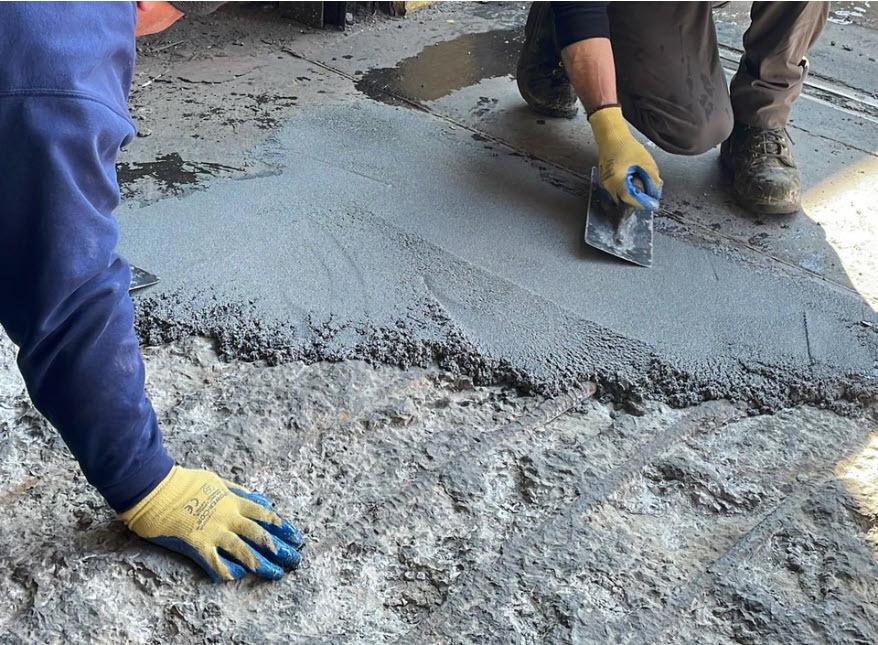
For deteriorated industrial concrete requiring a heavy-duty epoxy mortar repair, TREFLITE™ All-Purpose Epoxy Repair is a trowel-applied epoxy mortar used to repair and resurface damaged concrete in industrial and commercial environments.
Apply and finish the material according to the manufacturer's specified thickness, mixing instructions, working time, and application procedures.
For widespread shallow deterioration rather than isolated damaged areas, a resurfacing system may be more appropriate than individual patches.
Step 6: Allow the Repair to Cure Before Returning It to Service
Concrete repair products have different cure schedules and return-to-service requirements. Do not assume that every repair requires the same curing period.
Temperature, repair thickness, product chemistry, and site conditions can all affect curing. Keep foot, forklift, vehicle, and production traffic off the repaired area until the product has reached the manufacturer's specified return-to-service condition.
Which Repair Method Is Appropriate for Flaking Concrete?
The extent and depth of deterioration generally determine the type of repair required.
|
Concrete Condition |
Typical Repair Approach |
|
Minor localized surface damage |
Patch or repair isolated deteriorated areas |
|
Deeper localized spalling |
Remove unsound material and rebuild with a compatible repair mortar |
|
Widespread shallow deterioration |
Resurface the affected area |
|
Heavy industrial wear |
Consider a heavy-duty epoxy mortar or resurfacing system |
|
Chemical exposure |
Use a repair and protection system compatible with the chemicals present |
|
Recurring moisture-related damage |
Identify and address the moisture source before applying a protective system |
Repair materials should be selected based on actual service conditions rather than damage depth alone. A warehouse aisle exposed to forklift traffic, for example, may require different performance characteristics than an exterior walkway with similar-looking surface deterioration.
How Can You Prevent Concrete From Flaking Again?
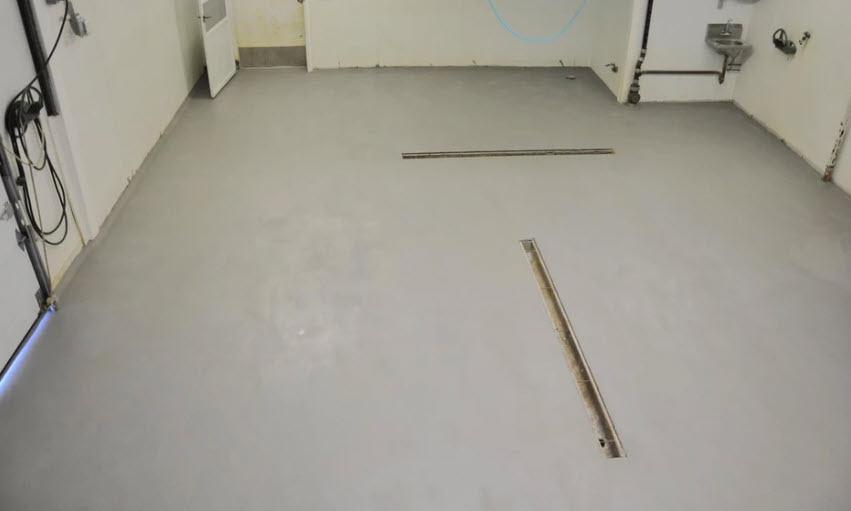
Preventing recurring flaking requires addressing the conditions responsible for the original deterioration. Repairing the damaged surface without correcting ongoing moisture, chemical, or mechanical exposure may result in future failure.
Protect Concrete From Moisture and Contaminants
A compatible concrete sealer or floor coating can reduce direct exposure to water, oils, chemicals, and other contaminants.
Depending on the facility and service environment, options may include:
- TIGERSKIN™ Water-Based Epoxy Sealer
- GARONGUARD™ High-Build Epoxy Floor Coating
- POUR-N-WALK™ Self-Leveling Epoxy Floor Resurfacer
A coating should be selected based on substrate condition, moisture, traffic, chemical exposure, application environment, and required performance.
Maintain the Surface
Regular inspection and cleaning can help facility teams identify deterioration before it develops into a larger repair.
Maintenance should include removing contaminants promptly, monitoring cracks and joints, and checking high-traffic areas for early signs of surface wear.
Regular maintenance also helps preserve the appearance and protective properties of properly applied floor coatings and may extend the interval between recoating projects.
Limit Harmful Chemical Exposure
Where possible, prevent aggressive chemicals and de-icing materials from remaining on concrete for extended periods. Clean spills according to facility procedures and evaluate chemical compatibility when selecting repair materials and coatings.
For exterior concrete exposed to winter conditions, de-icing practices should also be evaluated as part of the facility's concrete maintenance program.
Repair Small Areas Before They Expand
Localized flaking can become more extensive when forklifts, carts, or other traffic repeatedly travel over damaged edges.
Repairing deterioration early can help prevent continued edge breakdown and reduce the amount of concrete that ultimately requires removal and replacement.
Why Is Timely Flaking Concrete Repair Important?
Flaking concrete can progress from superficial deterioration into larger areas of damaged concrete if the underlying cause continues. Early repair can help restore a stable, serviceable surface and reduce continued deterioration.
For industrial and commercial facilities, damaged concrete can also affect operations. Uneven or deteriorated flooring may create problems for forklifts and material-handling equipment, increase housekeeping requirements, and create potential trip hazards for personnel.
Addressing damaged areas as part of a planned concrete maintenance program can therefore support both floor performance and facility operations.
Key Takeaways
- Flaking concrete should be repaired by removing unsound material before applying a repair product.
- Moisture, freeze-thaw cycles, improper curing, chemicals, and mechanical wear are common causes of surface deterioration.
- The correct repair system depends on damage depth, traffic, chemical exposure, temperature, and return-to-service requirements.
- Primers are product- and system-specific and should be used when required by the selected repair system.
- Heavy-duty industrial repairs may require epoxy mortar rather than a conventional cementitious patch.
- Sealers and protective floor coatings can help reduce future exposure to moisture, chemicals, and abrasion.
- Identifying and correcting the cause of deterioration is as important as repairing the damaged concrete.
Frequently Asked Questions About Flaking Concrete
Can flaking concrete be repaired without replacing the entire slab?
Yes. Localized flaking and spalling can often be repaired by removing deteriorated material and rebuilding or resurfacing the affected area with a compatible repair product. Extensive or structural deterioration may require a more comprehensive repair evaluation.
What is the difference between concrete flaking and spalling?
Flaking generally describes thin surface material peeling or breaking away from concrete. Spalling often refers to more substantial deterioration in which larger or deeper pieces separate from the slab. The terms are sometimes used interchangeably, but the depth and cause of the damage are important when selecting a repair method.
Can you apply epoxy over flaking concrete?
Epoxy should not be applied directly over loose, weak, or flaking concrete. Unsound material must first be removed and the remaining concrete properly prepared. Depending on the condition of the floor, damaged areas may also need to be repaired or resurfaced before an epoxy coating is applied.
What is the appropriate material for repairing spalled concrete floors?
The appropriate repair material depends on the depth of the spall and the floor's service conditions. Industrial floors exposed to heavy traffic, impact, or chemicals may require a heavy-duty epoxy mortar or another repair material designed for those conditions.
Will sealing concrete stop it from flaking?
A sealer or coating can help protect sound, properly prepared concrete from moisture and contaminants, but it will not correct existing deterioration or eliminate an unresolved underlying problem. Existing damaged concrete should be repaired and the cause of deterioration evaluated before a protective system is applied.
How do you prevent repaired concrete from spalling again?
Start by identifying what caused the original deterioration. Proper surface preparation, compatible repair materials, correct curing, moisture management, chemical protection, and routine maintenance can all help reduce the likelihood of recurring damage.
Need Help Selecting a Concrete Repair System?
The appropriate repair system depends on the condition of the concrete, repair depth, traffic, chemical exposure, temperature, and required return-to-service time.
Garon Products manufactures concrete repair materials and protective flooring systems for industrial and commercial facilities. Our team can help evaluate your application and identify appropriate product options for your project.
Contact Garon Products for a product recommendation or quote