How to Choose the Right Concrete Repair Solutions for High-Traffic Areas
High-traffic areas require concrete repair solutions that withstand constant pressure without failure. If your facility's concrete deteriorates too quickly, safety risks and costly downtime can rapidly accumulate. Selecting the optimal concrete repair solutions involves balancing durability, compliance with safety regulations, and ease of application. In this post, you'll discover what matters most when maintaining industrial floors, where every repair is crucial for facility management and operational efficiency.
Evaluating Concrete Repair Needs
Before exploring solutions, it's crucial to understand the specific needs of your facility’s flooring. Assessing the extent and type of damage is key to selecting the appropriate repair approach.
Assessing Traffic Impact on Flooring
High-traffic areas face unique challenges due to the constant movement of vehicles and foot traffic, leading to wear and tear. Start by observing peak traffic times and identifying which sections endure the most use. This insight aids in planning repairs that minimize disruption. For instance, a busy warehouse may require different repair solutions than a less-trafficked corridor, essential for efficient inventory management.
Identifying Types of Concrete Damage
Different forms of damage require distinct remedies. Cracks, spalling, and surface wear each demand specific attention. Cracks may indicate underlying structural issues, while surface wear could suggest inadequate initial coatings. Spalling is often more prevalent in areas exposed to weather changes. Proper identification ensures you effectively target solutions. Visual inspections and testing can uncover not only visible damage but also underlying issues needing immediate attention, critical for maintaining structural integrity.
Choosing the Best Concrete Repair Solutions
With a clear understanding of the issues, selecting the right repair materials becomes more straightforward. Focus on solutions that ensure safety and durability while addressing your facility’s specific needs.
Implementing Effective Concrete Repairs
Choosing the right materials is just the beginning. Effectively implementing repairs ensures long-lasting results and maintains floor integrity.
Selecting the Most Suitable Concrete Fillers
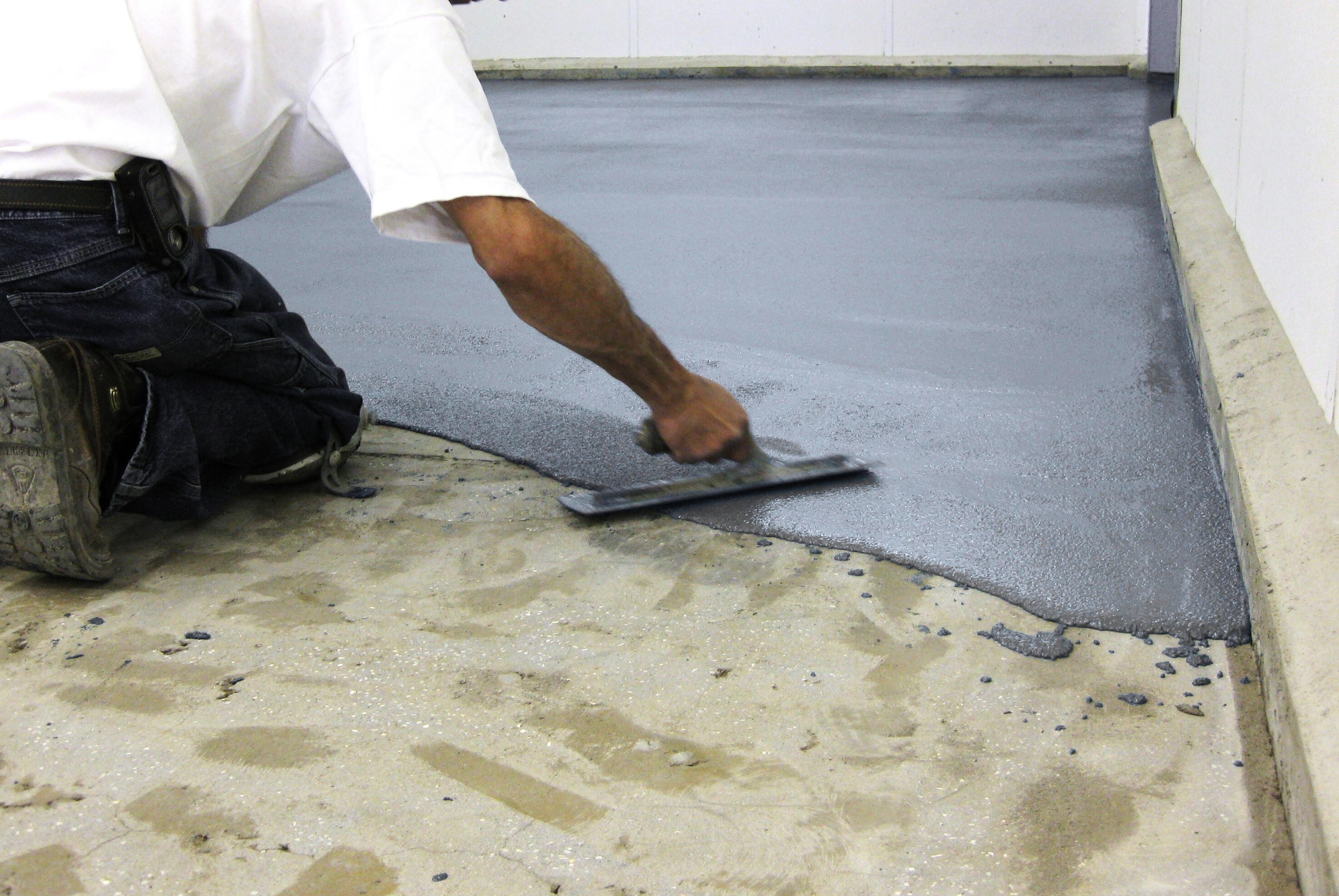
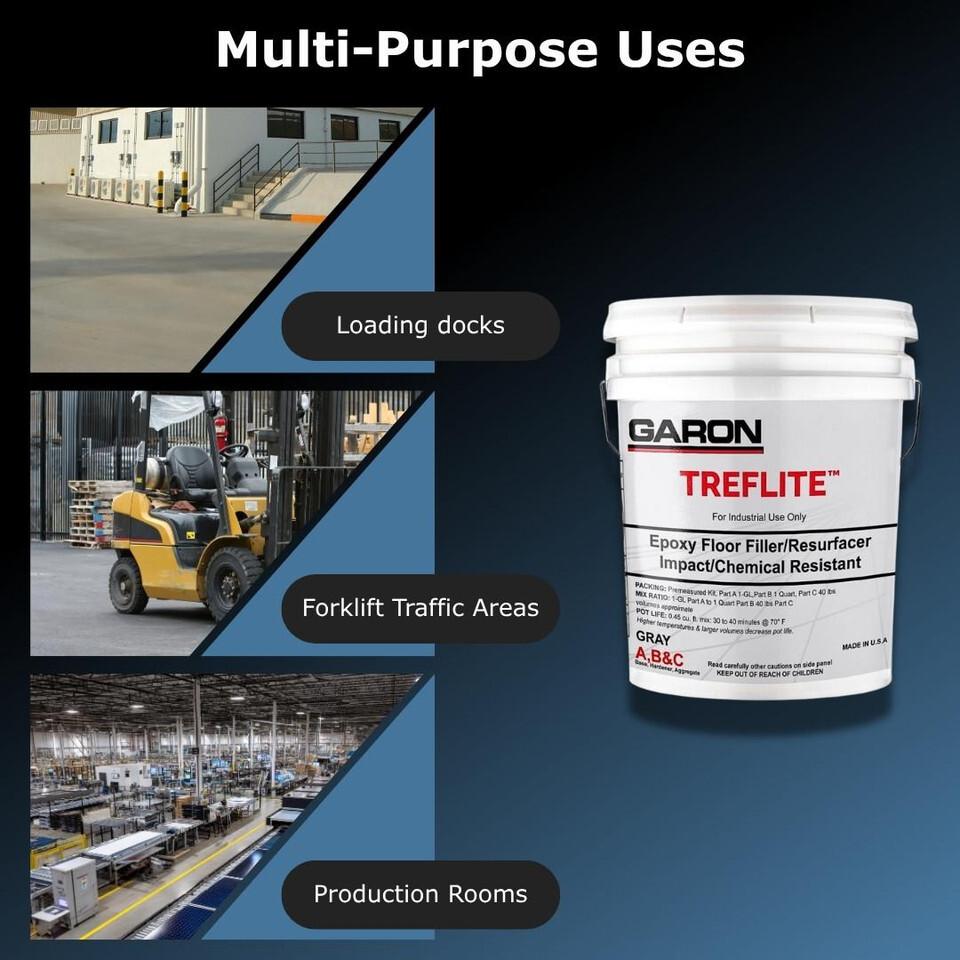
Concrete fillers are vital for maintaining smooth and safe surfaces. Polymer-based fillers are particularly effective in high-traffic areas due to their flexibility and strength. They bond well with existing concrete, ensuring seamless repairs. Using an epoxy floor filler/resurfacer like TREFLITE™ ensures robust repairs capable of handling daily wear. This product is particularly popular for its strength, being three times stronger than regular concrete, a significant advantage for high-usage environments.
Ensuring Safety on Industrial Floors
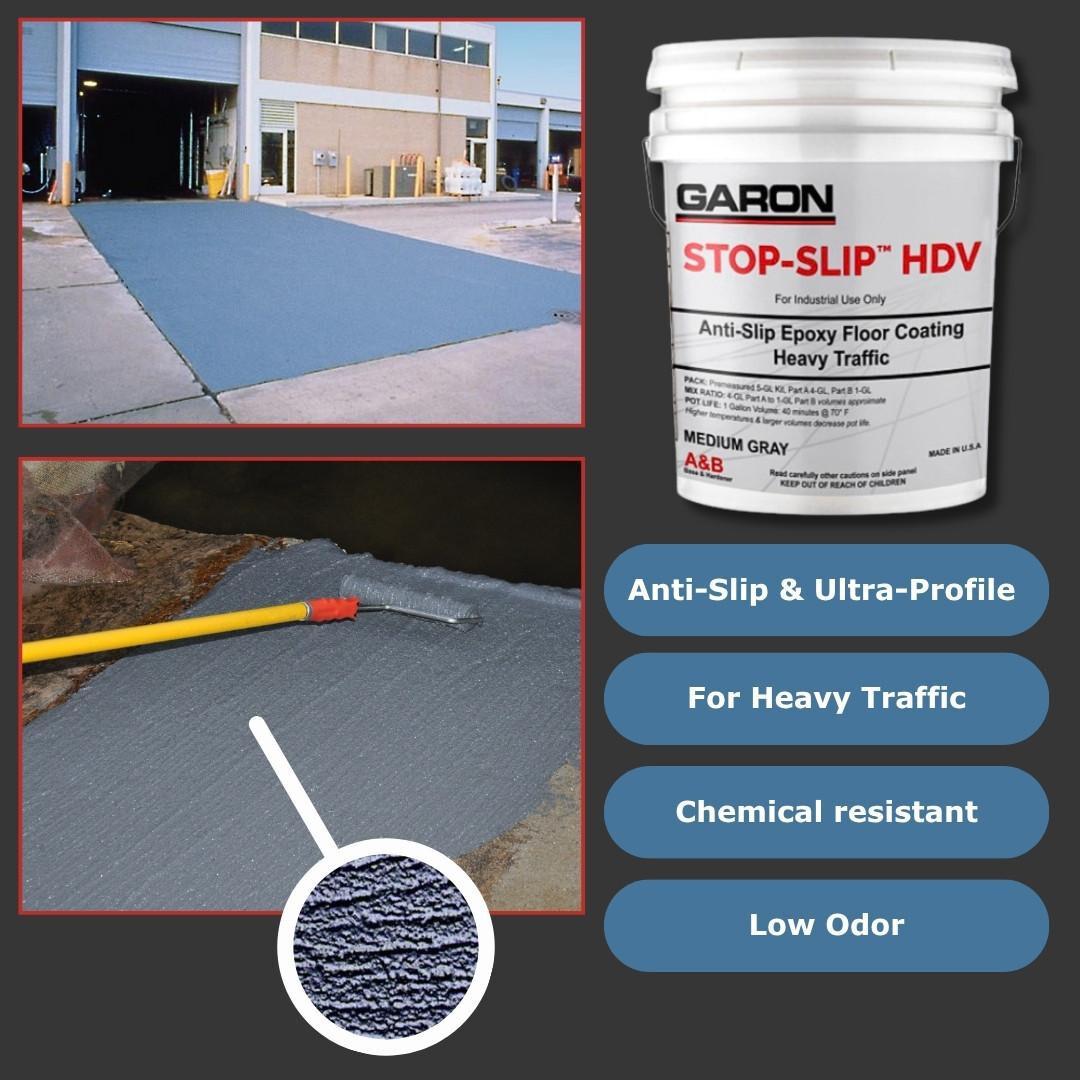
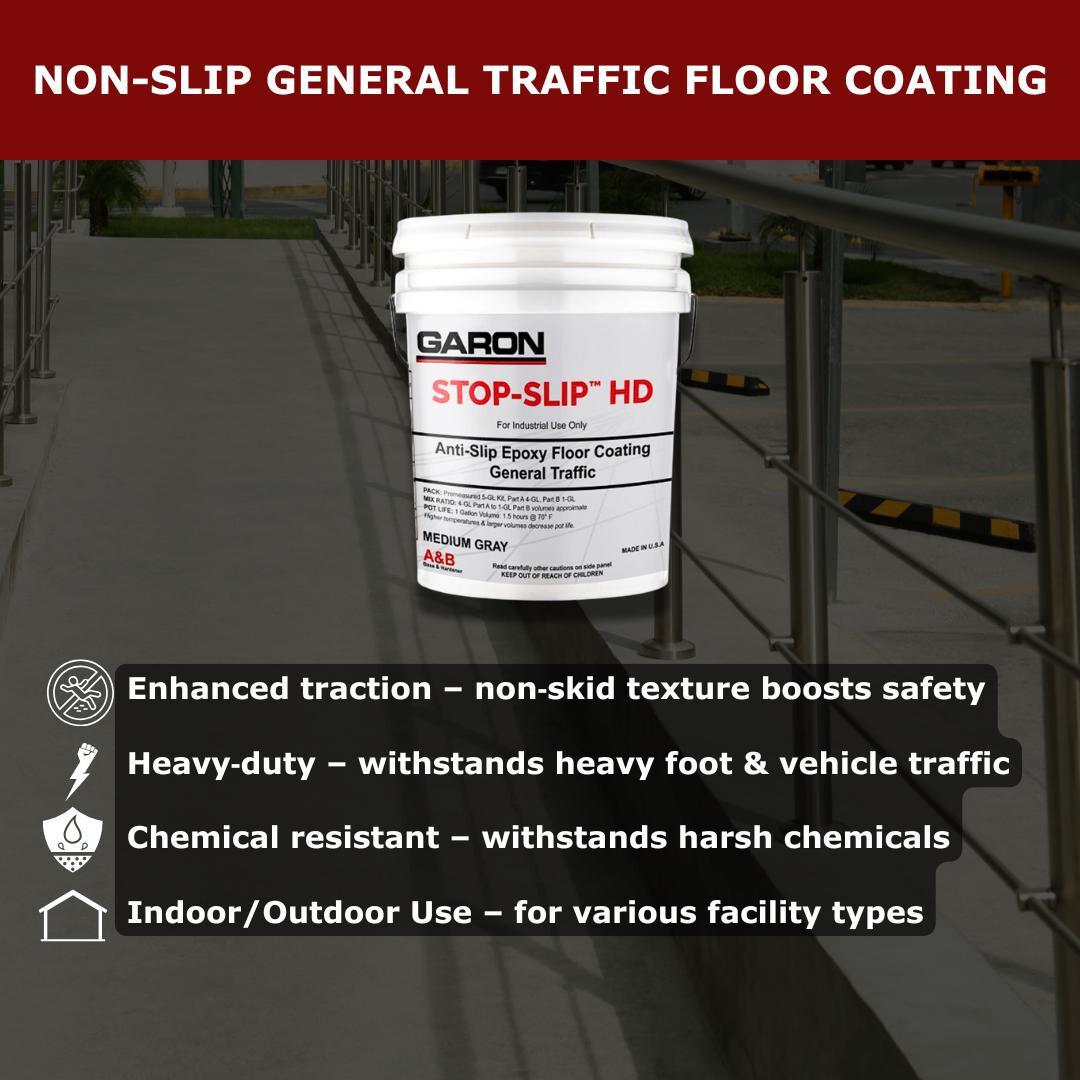
Ultimately, a safe floor is a productive floor. Beyond repairs, consider ongoing maintenance to uphold safety standards. Incorporating non-slip solutions can further enhance safety, reducing the risk of accidents. Opt for products with non-slip properties that comply with industry safety regulations. For example, some facilities have achieved a 30% reduction in slips and falls after applying appropriate coatings. Ensuring your floor coatings meet code requirements not only protects your workforce but also shields you from potential liabilities. Some examples of non-slip floor coatings include Stop-Slip HDV™ and Stop-Slip HD™ epoxy coatings with aggressive non-slip profiles.
Exploring Durable Concrete Coatings for Longevity
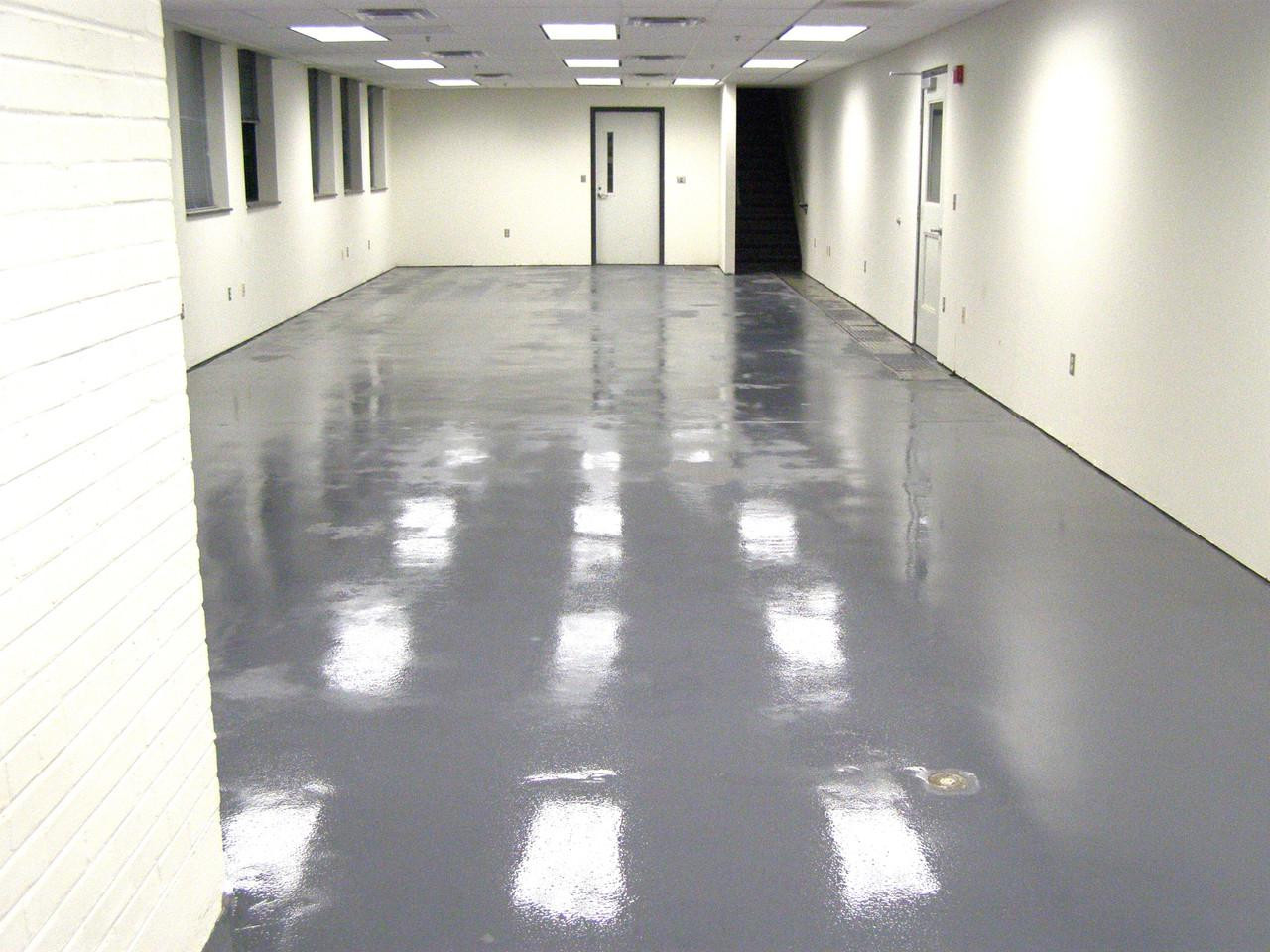
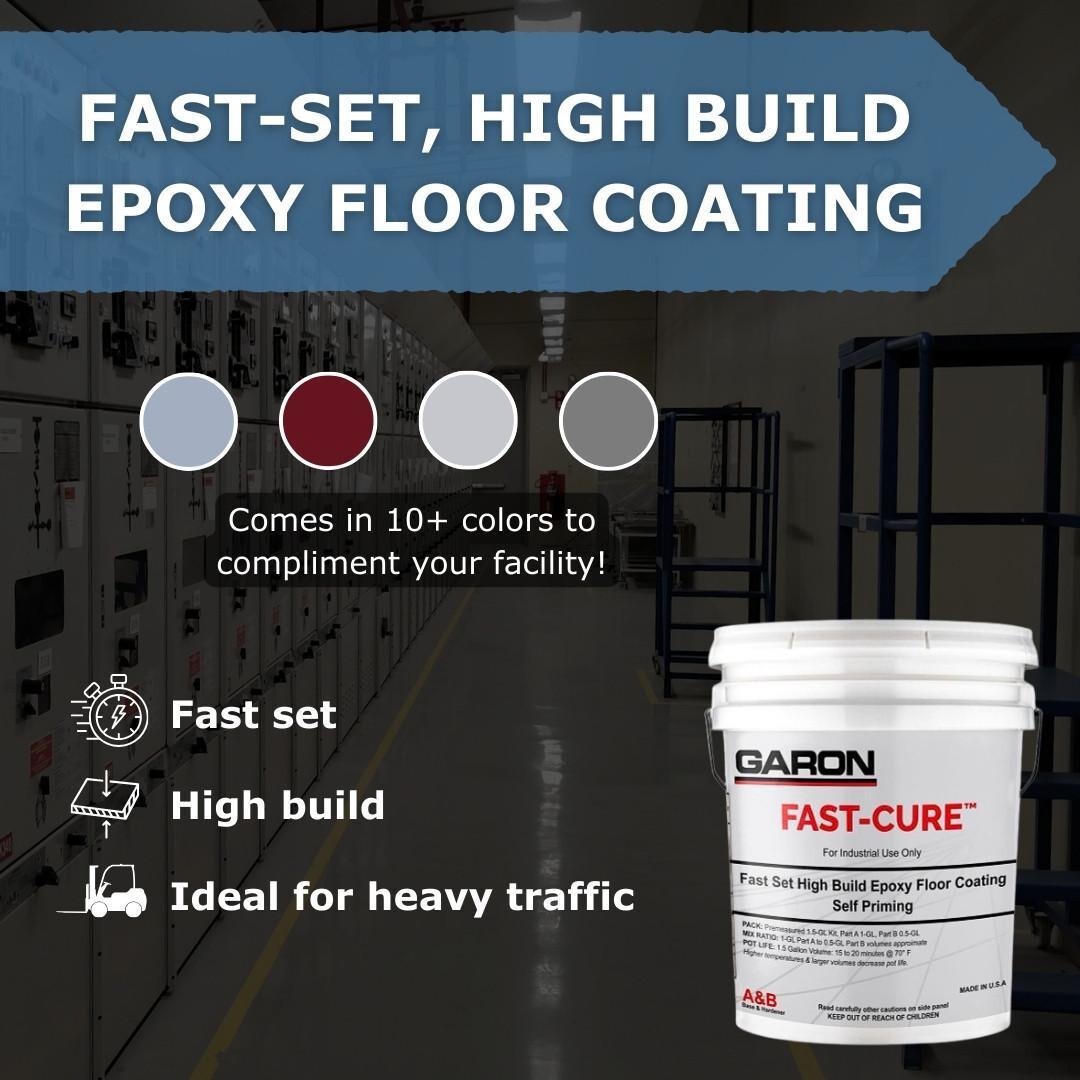
Durability is crucial, especially in high-traffic areas. Epoxy and urethane coatings often provide long-lasting protection, resisting chemicals, heavy loads, and abrasions, making them ideal for industrial use. Consider products with quick curing times to reduce downtime, such as FAST-CURE™. Investing in durable solutions saves money in the long run by preventing frequent repairs.
Conclusion
In summary, selecting the right concrete repair solutions involves understanding your facility's specific needs, choosing durable materials, and implementing them effectively to ensure longevity and safety. By prioritizing these factors, you safeguard your operations and create a dependable environment for all users.
Not sure which repair products are right for you?
Contact our team today.