How to Coat a Garage Floor With Epoxy (Step-by-Step Guide)
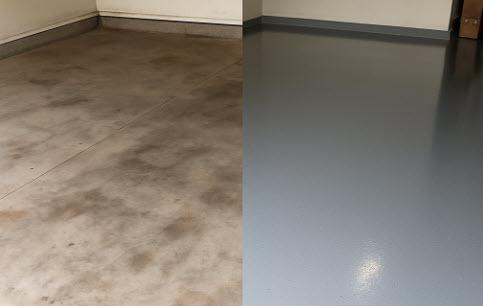
Tired of tracking dust into your house from a grimy garage floor? That bare, stained concrete is porous and a magnet for dirt, making it nearly impossible to keep clean. The good news is you can transform it into a durable, showroom-quality surface in a single weekend with an epoxy garage floor coating.
Unlike paint, which is a thin film that sits on top of concrete, epoxy is a two-part system (a resin and a hardener) that you mix together. This starts a chemical reaction that makes the epoxy fuse with the concrete, creating a single, rock-hard, non-porous shield. In epoxy flooring, this chemical bond allows it to resist oil stains, road salt, and peeling from hot tires in a way paint never could.
Learning how to coat a garage floor with epoxy is a project you can absolutely tackle yourself. Proper preparation is the key to success, and this guide will make the process foolproof.
Why Epoxy Beats Paint: Understanding the Durability Difference
The difference between garage floor paint and an epoxy garage floor coating is night and day. A quick comparison makes the choice clear:
- Durability: Paint forms a weak layer that can easily peel. Epoxy creates a permanent chemical bond that becomes part of the floor itself.
- Stain Resistance: Paint is still porous enough to be stained by oil or chemicals. Epoxy is non-porous, meaning spills wipe right off.
- Lifespan: You'll likely be re-painting every 1-2 years. A properly applied epoxy floor can last 10+ years.
This powerful bond is the solution to a common problem called hot-tire pickup---when heat from your tires softens cheap paint, causing it to lift off the floor and stick to your treads. Because epoxy cures into a rock-hard shell, hot tires won't affect it. While it's more work upfront, the result is a professional-grade floor that lasts.
Your Shopping List: Tools and Materials for a Perfect Finish
Getting your supplies together is the first real step. The easiest and most reliable path for a DIYer is to use an all-in-one system. This ensures all your products---from the cleaning solution to the epoxy itself---are designed to work together, removing any risk of a chemical mismatch.
Here is a checklist of the essential tools needed for your epoxy garage floor project:
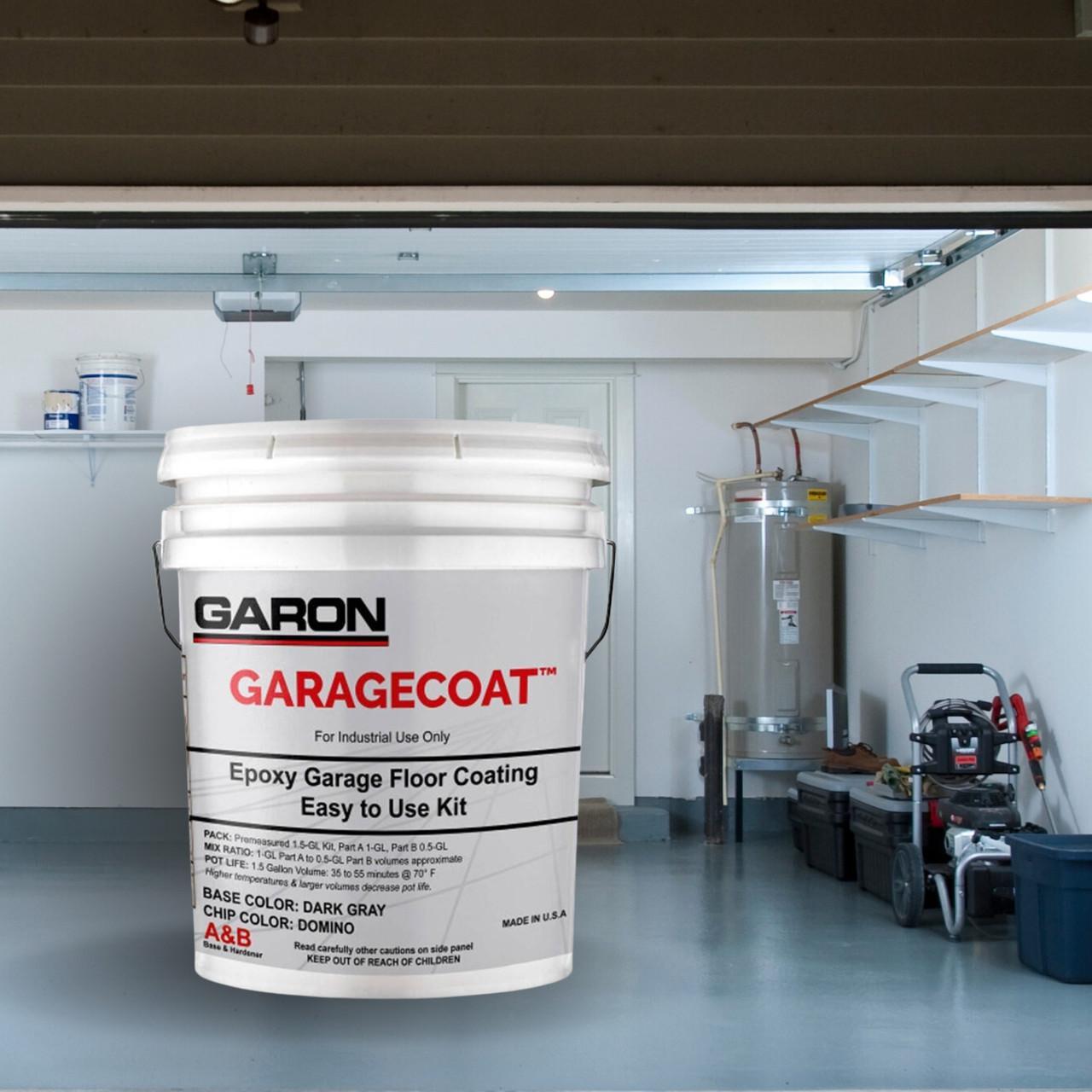
- A complete epoxy kit like GARAGECOAT™, which should include pre-measured epoxy (Part A), hardener (Part B), and concrete etch solution.
- All-purpose degreaser and a stiff-bristle deck brush
- A shop vacuum for dust and water removal
- Concrete patch filler for any cracks or divots
- Two 5-gallon buckets (one for cleaning, one for mixing epoxy)
- A drill with a paddle mixing attachment
- A 9-inch roller with a 3/8-inch nap, a roller frame, and an extension pole
- A 2-inch paintbrush for cutting in edges
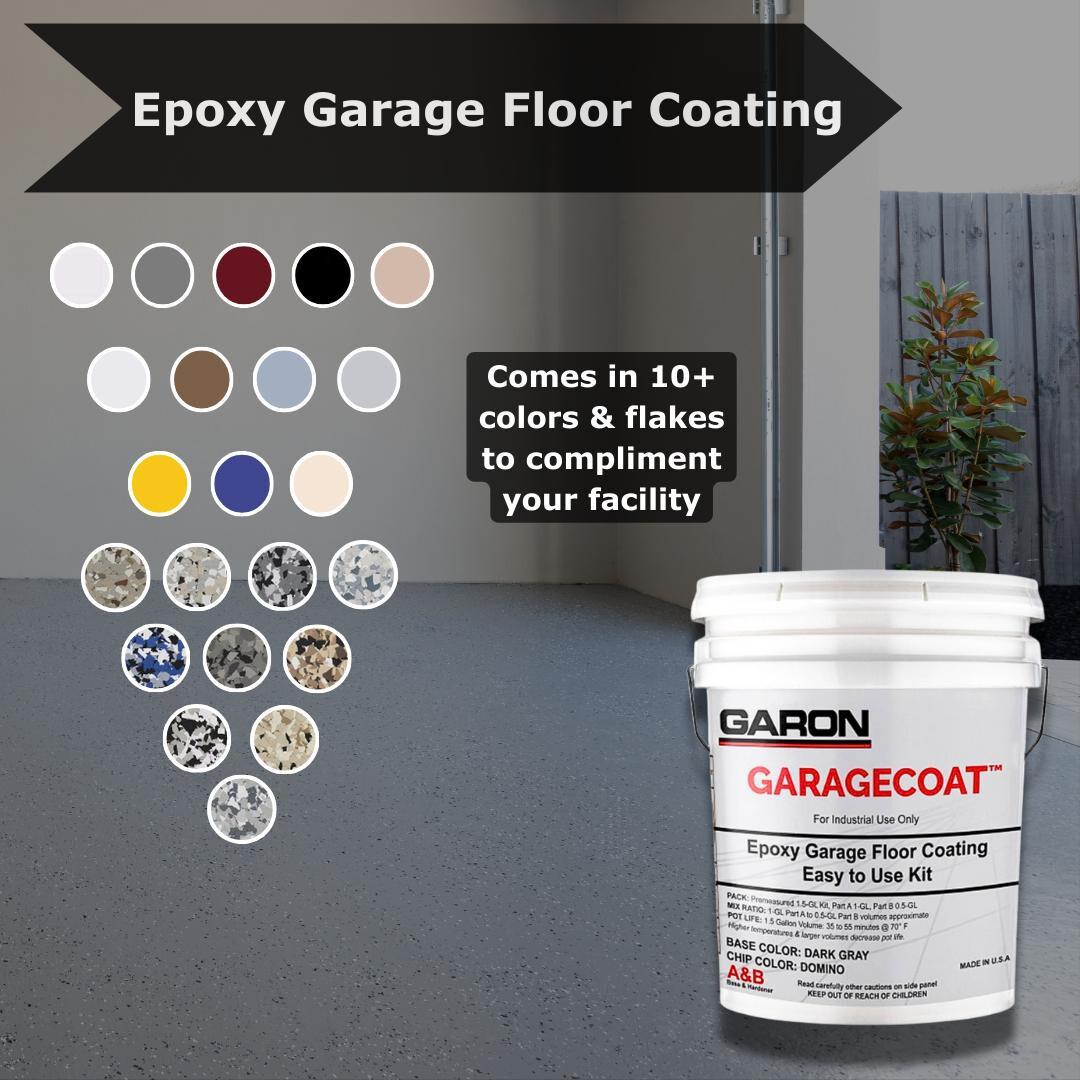
Choosing a quality garage floor epoxy kit takes the guesswork out of the equation. You get precisely measured components that guarantee a proper mix and a durable cure. With your shopping list complete, you're ready to tackle the single most important phase: the prep work. GARAGECOAT™ is a colored epoxy, with over 5 colors and decorative chips to choose from!
Step 1: The Prep Work That Guarantees Success
If there's one secret to an epoxy floor that looks amazing and lasts, this is it. An incredible 80% of all epoxy coating failures are due to improper concrete preparation. Think of it like trying to put a sticker on a dusty surface-it just won't hold. Your goal is simple: get the concrete spotlessly clean and porous enough to absorb the epoxy. Proper prep is essential for any garage floor coating to bond correctly.
First, give the floor a deep cleaning. Sweep and vacuum all loose dirt and debris with a shop vac. Then, focus on any dark oil or grease spots, which can prevent the epoxy from bonding. Pour a quality degreaser directly onto the stain, scrub vigorously with a stiff-bristle brush, and wipe it clean. Repeat this until the stain is gone or significantly lightened.
Now for a crucial test. Your concrete may look bare, but it could have an old, invisible sealer on it that will repel the epoxy. To find out, perform the Water Drop Test: sprinkle a few drops of water in several areas. If the water quickly soaks in and darkens the concrete, you're good to go. If the water beads up like on a raincoat, your floor is sealed and you will need to remove that sealer before proceeding, typically by grinding.
Step 2: How to Flawlessly Patch Cracks and Pits
Walking across your clean floor, you'll likely notice hairline cracks or small divots. Filling these now is the secret to a seamless finish, as any significant crack (wide enough to fit a credit card) will show through your final glossy coat.
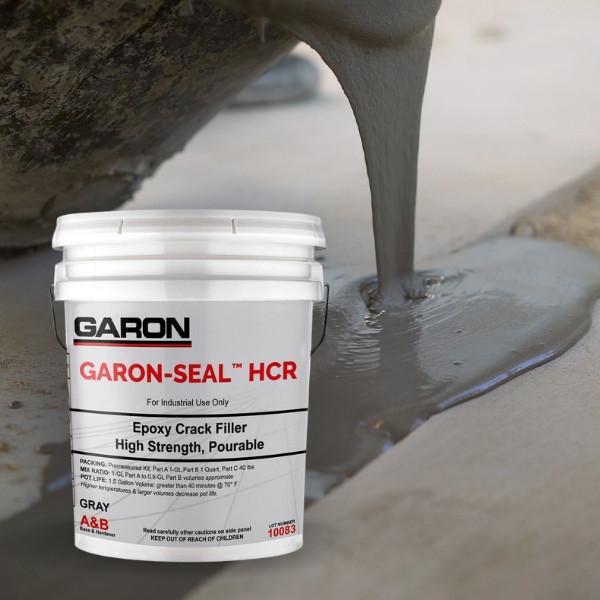
For this job, use an epoxy-based crack filler, such as GARON-SEAL™ HCR. It is important to fill in cracks and joints prior to applying the epoxy floor coating. For larger voids or patching uneven areas, use TREFLITE™ Epoxy Mortar Patch.

Step 3: Etching Your Concrete for a "Chemical Grip"
With your floor clean and patched, it's time for the most critical preparation step: etching. Like sanding wood before staining, etching uses a safe, acidic solution to create millions of microscopic pores on the concrete's surface. This gives the thick epoxy an unbreakable grip, ensuring it won't peel up from hot tires or heavy use.
Following your kit's directions, mix the etching powder with water and pour the solution evenly across the damp floor with a plastic watering can. You should see a gentle fizzing action. Grab a stiff-bristled deck brush and scrub the entire surface for about 10-15 minutes, working the solution into every corner.
After scrubbing, rinse the floor thoroughly to remove all residue and then rinse it again to be safe. Now comes the part that requires patience. Your floor must be completely, totally, bone dry before you can proceed, as moisture is the enemy of epoxy adhesion. Give it at least 24 to 48 hours to air dry, using fans to help circulate air. When the concrete is pale, uniform in color, and dry to the touch, you are ready for the exciting part.
Step 4: Mixing and Applying the Epoxy-The Race Against Pot Life
It is now time to mix and apply GARAGECOAT™ epoxy floor coating kit. Once you mix the two parts of the epoxy, a chemical clock starts ticking. This is called pot life: the working time you have before the mixture begins to harden in the bucket, usually around 40-50 minutes. Mix the components thoroughly with a paddle mixer on a low-speed drill for about two minutes, scraping the sides and bottom to get a uniform, streak-free color. Once mixed, you must work efficiently.
Before pouring the main batch, cut in by using a paintbrush to apply a generous band of epoxy along the walls and any edges where a roller won't reach. Work in manageable sections to ensure the edge you just painted stays wet, allowing the rolled coat to blend in seamlessly.
Working in small, 4x4 foot sections, pour the mixed epoxy from your bucket in a long "S" shape. Immediately use your roller to spread the material evenly, first in one direction and then lightly in the perpendicular direction. A slow, steady roll is better than a fast one, as it helps prevent air bubbles. Overlap the wet edge of your previous section to avoid leaving any lines.
If you're using decorative flakes, which is an option for GARAGECOAT™, now is the time to apply them. While the epoxy section you just rolled is still wet, grab a small handful of flakes and toss them high into the air over the floor, not directly down at it. Let them float down naturally for an even, random pattern. Start light; you can add more, but you can't take them away. Continue this process until the entire floor is covered.
The Final Step: How Long Until You Can Use Your New Floor?
You've rolled the last section, but don't move anything back just yet. This final stage is all about patience. Unlike paint that simply dries, epoxy cures through an ongoing chemical reaction. Rushing this is the number one mistake people make after doing everything else right.
So, how long does it take for an epoxy garage floor to cure? The full curing time happens in stages. While you should always follow the times listed in your kit's guide, here is a typical schedule:
- Light foot traffic (in socks only): 12-24 hours
- Moving in heavy items (toolboxes, fridges): 48-72 hours
- Full vehicle traffic: 5-7 days
Resisting the urge to park your car on the floor too soon is essential. Driving on it before it's fully hardened can leave permanent tire marks and compromise the chemical bond. After that final week, you'll have a showroom-quality floor ready for anything.
Keeping It Perfect: Easy Maintenance for Your Epoxy Floor
The reward for your hard work is a garage floor that's incredibly easy to maintain. One of the greatest benefits of an epoxy-coated floor is that it's non-porous. An oil spill that once meant a permanent stain now wipes away with just a paper towel, and general dust or dirt can be cleaned with a simple dust mop or a quick wash with a pH-neutral cleaner.
You've successfully transformed a purely utilitarian space into a clean, durable, and valuable part of your home. With the right preparation and a reliable system like the GARAGECOAT™ kit, you've created a floor you'll be proud of every time you pull into the driveway.
If you are unsure about which repair product to choose, contact our team today.