How to Repair Flaking Concrete and Prevent Future Damage: Complete Guide for Facilities and DIY Pros
Why Concrete Flakes and Spalls Over Time
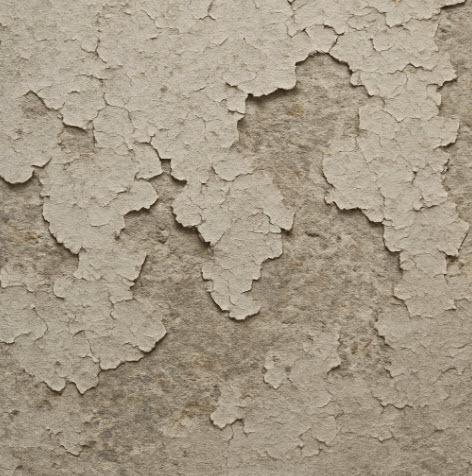
Flaking, also called spalling, happens when the top layer of concrete starts to peel, chip, or crumble. This is a common issue in warehouses, production facilities, garages, and patios, anywhere concrete endures heavy traffic, moisture, or temperature changes.
Understanding the root cause of concrete flaking helps you choose the best repair method and prevent it from happening again.
Weather and Moisture Exposure
Freeze-thaw cycles are one of the biggest culprits behind flaking concrete. When water seeps into the surface and freezes, it expands, creating pressure that breaks down the top layer. Over time, this weakens the concrete and causes visible surface damage. Keeping concrete sealed and moisture-free is key to avoiding this.
Poor Installation and Curing
Concrete that wasn’t properly mixed, poured, or cured is more likely to deteriorate early. Inadequate curing prevents the concrete from reaching full strength, leaving it vulnerable to wear and tear, especially in industrial floors and warehouse environments.
Chemical Damage
De-icing salts, cleaning agents, and industrial chemicals can corrode concrete over time. These substances penetrate the surface and react with its structure, leading to slow but steady degradation. Facilities that regularly use harsh cleaning chemicals or de-icers are particularly at risk.
Step-by-Step Process to Repair Flaking Concrete
Step 1: Clean and Prepare the Surface
Start by thoroughly cleaning the damaged area. Remove all dirt, dust, oil, and loose debris so the repair materials can properly adhere. A clean, dry surface is the foundation of a long-lasting fix.
Step 2: Remove Damaged Concrete
Carefully chip away any loose or crumbling concrete until you reach a solid, stable layer. This step prevents the new material from bonding to weak spots and ensures the resurfacing will hold up under pressure.
Step 3: Apply a Primer
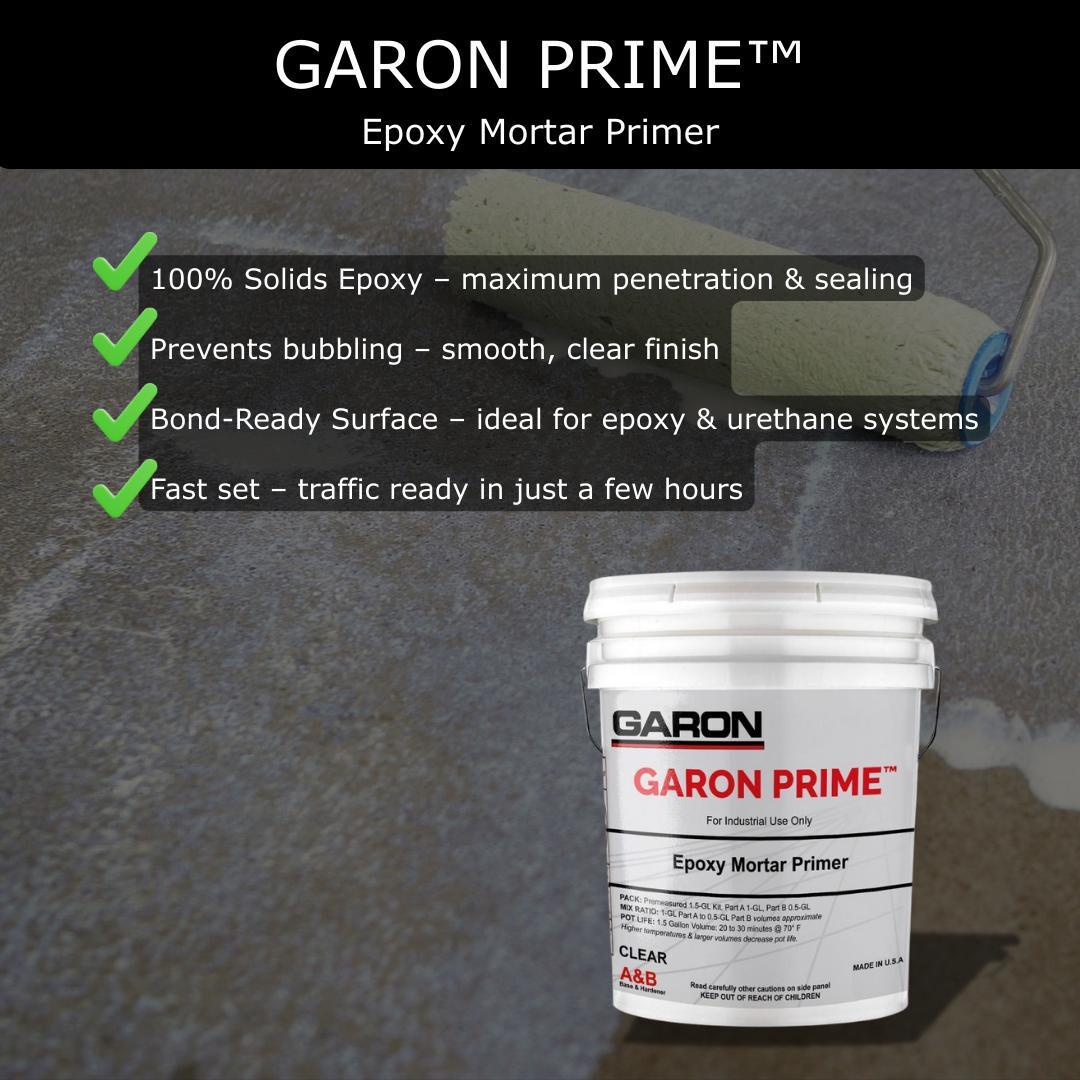
Before applying new concrete, prep the surface with a concrete primer. This creates a strong foundation between the old and new layers, ensuring the repair lasts even in high-traffic environments like warehouses or production rooms. GARON PRIME™ is recommended, which is a 100% solids epoxy mortar primer formulated to penetrate and seal concrete surfaces, creating a strong, uniform base for epoxy mortars. This high-performance primer reduces outgassing, prevents delamination, and ensures superior adhesion for industrial and commercial flooring systems.
Step 4: Mix and Apply the Concrete Resurfacer
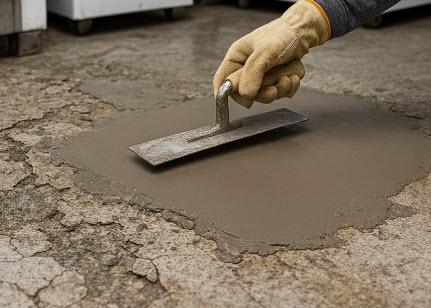
Once the bonding agent is dry, mix a concrete resurfacer according to the manufacturer’s directions, such as TREFLITE™. Apply it evenly over the damaged area, working in small sections to maintain control and achieve a smooth, even finish. For large facility floors, a self-leveling resurfacer is ideal for professional-grade results.
Step 5: Let the Surface Cure
Proper curing is essential. Allow the surface to dry and harden fully according to product instructions, typically 24 to 48 hours. Avoid foot or vehicle traffic during this time to prevent surface disruption. A well-cured surface will be more durable, resistant to cracking, and easier to maintain.
Long-Term Maintenance: How to Prevent Future Flaking
Repairing flaking concrete is only part of the process. To keep your floors strong and attractive, you’ll need to adopt some preventive maintenance habits.
Seal the Surface Regularly
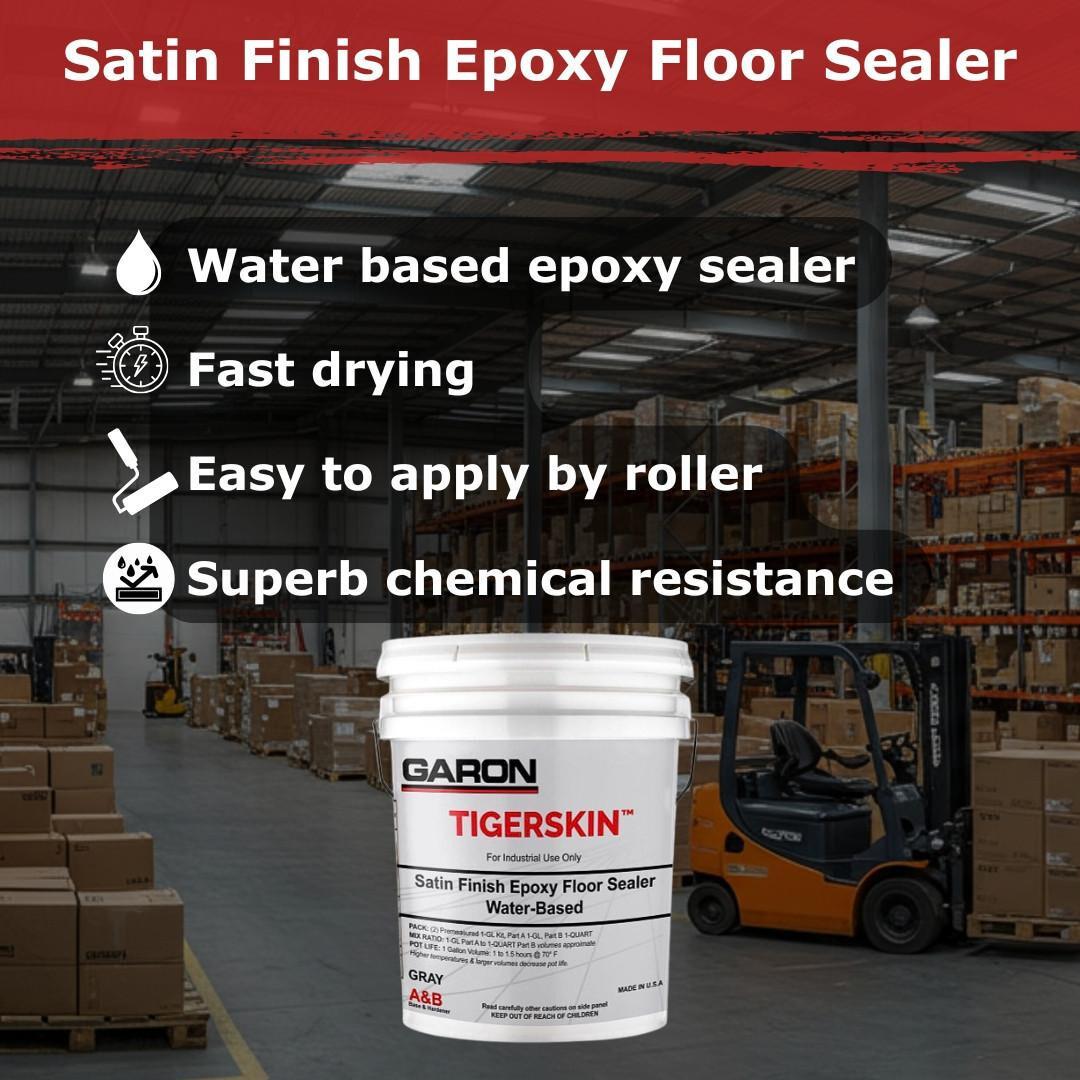
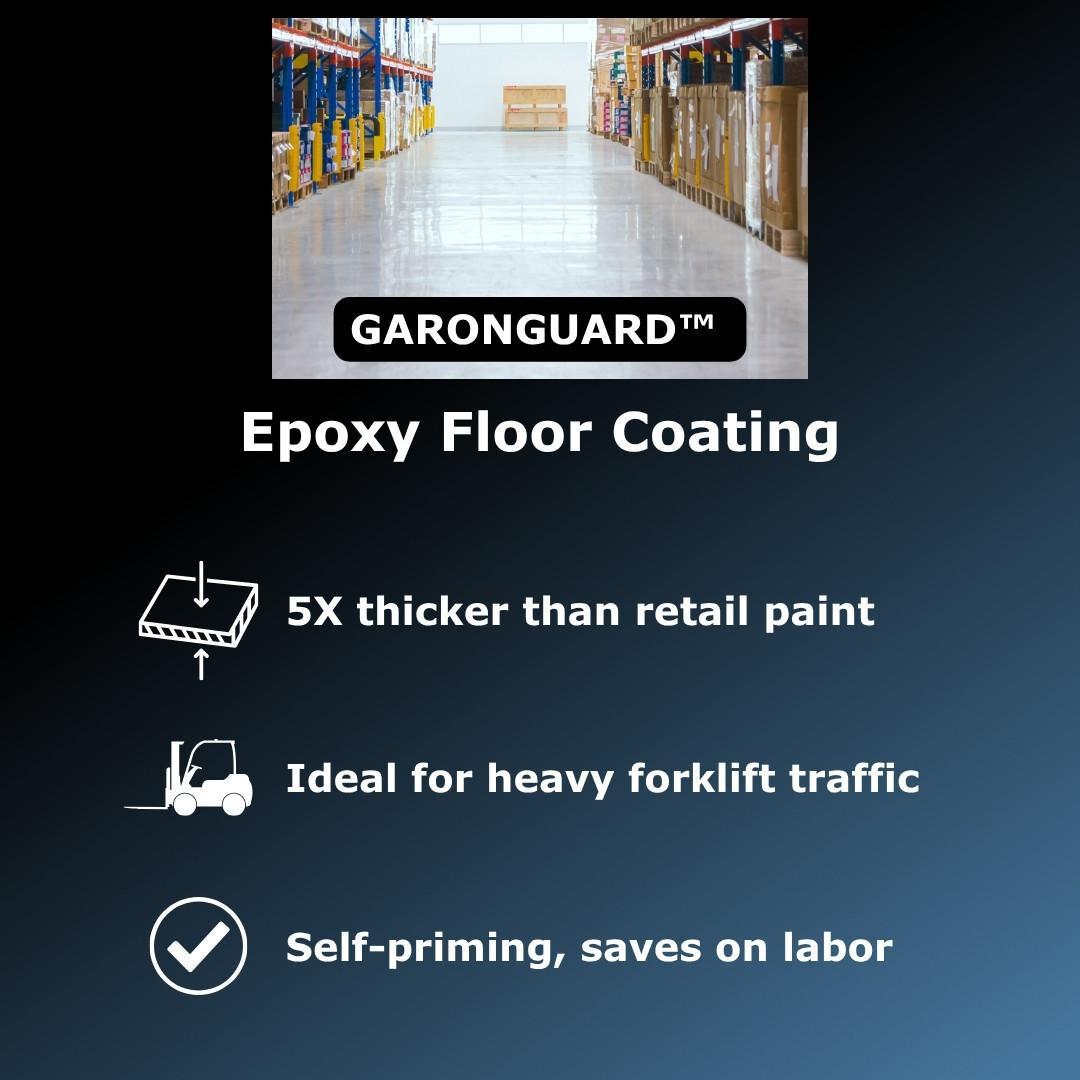
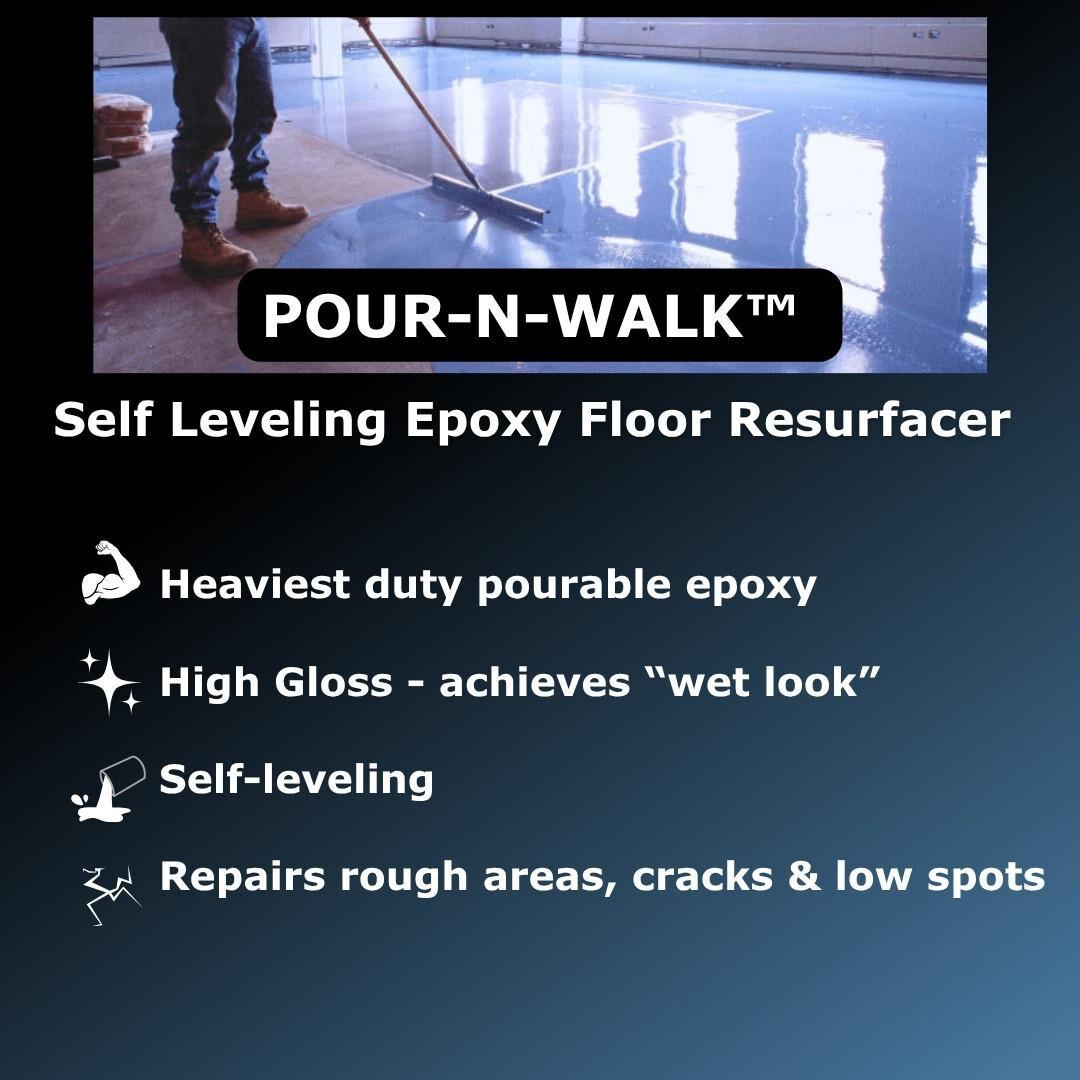
Applying a concrete sealer or floor coating creates a protective barrier against moisture, chemicals, and abrasion. For industrial or warehouse floors, epoxy or polyurethane coatings provide exceptional durability and resistance to wear. Some examples include:
Keep It Clean
Routine cleaning helps prevent dirt, oil, and chemicals from damaging your concrete. Use pH-neutral cleaners and avoid letting water or corrosive materials sit on the surface for long periods.
Avoid Salt-Based De-Icers
During winter, skip chemical de-icers that can eat away at the concrete surface. Instead, use sand or non-corrosive traction products to keep floors safe without causing long-term damage.
Why Timely Repair Matters
Flaking concrete isn’t just a cosmetic problem; it's a sign that your surface is weakening. If left untreated, it can lead to deeper cracks, moisture intrusion, and expensive structural repairs down the line. Promptly addressing flaking or spalling not only restores appearance but also protects your facility’s safety and extends the life of your concrete surfaces.
For facility managers, maintaining solid and even floors minimizes tripping hazards, improves workplace safety, and upholds professional standards. For DIYers, it’s an opportunity to improve your property’s curb appeal and prevent costly future repairs.
Final Thoughts
Repairing flaking or spalling concrete may seem intimidating, but with the right approach, you can restore any surface, from warehouse floors to residential patios, to like-new conditions. By cleaning, resurfacing, and sealing properly, you’ll achieve a durable finish that resists weather, chemicals, and heavy use. Taking a few preventive steps now will save time, money, and effort later. Keep your concrete floors strong, smooth, and safe, because a solid foundation is the first step toward a lasting facility.
Not sure which repair products are right for you?
Contact our team today.